Natal Mayor Considers Ending Christmas Shows to Boost City Decor and Neighborhood Events
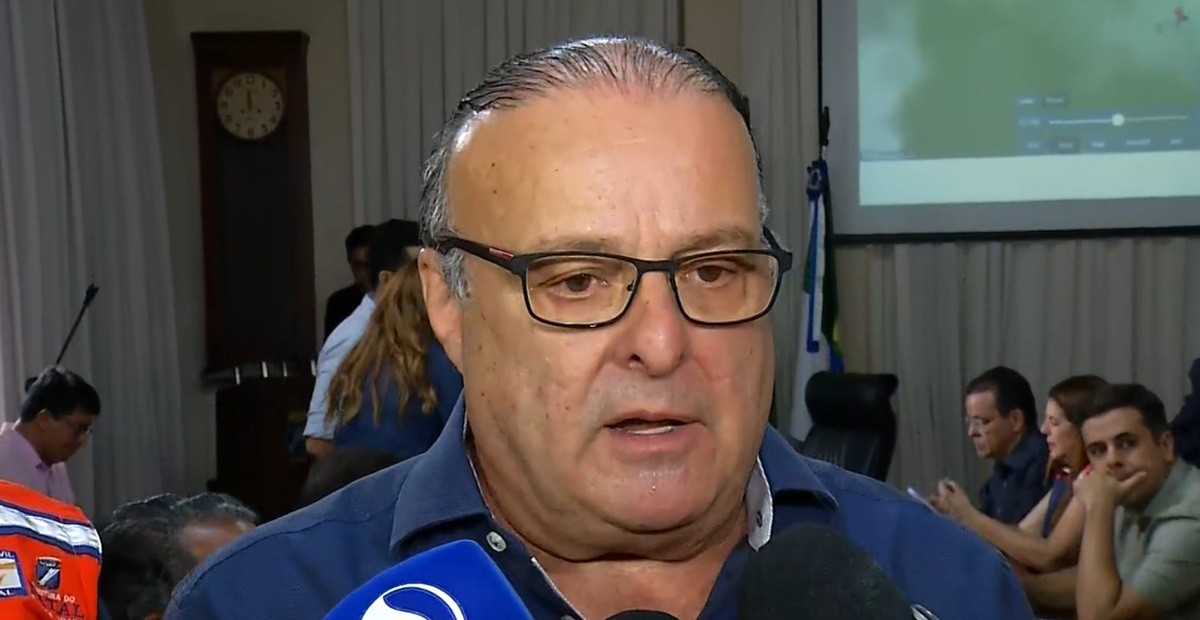
The mayor of Natal, Paulinho Freire, is considering a significant shift in the city's holiday programming, potentially discontinuing the "Natal em Natal" (Christmas in Natal) shows. Freire stated on Thursday, November 30th, that the proposal involves focusing resources on city-wide Christmas decorations and decentralized events in various neighborhoods, such as the "Auto de Natal" (Christmas Play). The plan would retain only the major New Year's Eve celebration as a large-scale public event.
Freire indicated that the city government is also exploring increased investment in Christmas decorations to create distinct festive zones across Natal's four regions, aiming to enhance the holiday spirit for residents and tourists alike. Discussions are underway with private companies to attract more private sector participation and make the "Natal em Natal" event a more consistent draw for visitors. The mayor did not specify a timeline for implementing these changes or provide details on the potential cultural programming adjustments.
This consideration comes amidst a legal challenge from the Public Prosecutor's Office (MPRN), which filed a public civil action on July 23rd demanding that the Natal City Hall and the Capitania das Artes Cultural Foundation address a debt of R$ 41.7 million to the cultural sector. The MP seeks a court order for the disclosure of a creditor list, a payment schedule for outstanding debts, and a halt to new contracts exceeding R$ 500,000 without competitive bidding until the debt is reduced. The debt includes R$ 34.1 million for services rendered and approved, and R$ 7.58 million for pending mandatory parliamentary amendments.
The proposed reallocation of funds from "Natal em Natal" shows to decorations and neighborhood events reflects a potential strategic pivot towards more inclusive and visible public spending, aiming to enhance community engagement and the city's aesthetic appeal. This initiative, however, emerges against a backdrop of significant financial obligations to the cultural sector, as highlighted by the Public Prosecutor's Office's R$ 41.7 million debt claim. The city faces a governance challenge in balancing immediate festive programming with long-term commitments to cultural stakeholders, whose contributions are essential for a vibrant arts ecosystem. Future policy decisions will likely need to address the sustainability of both public celebrations and the financial health of the cultural industry, particularly as cities increasingly compete for tourism revenue and seek to foster local identity in an evolving economic landscape.
AI-generated to prompt reflection — not editorial opinion, not advice, not a statement of fact. How this works.