Natal's Basic Food Basket Price Surged 14.8% in First Half of 2026
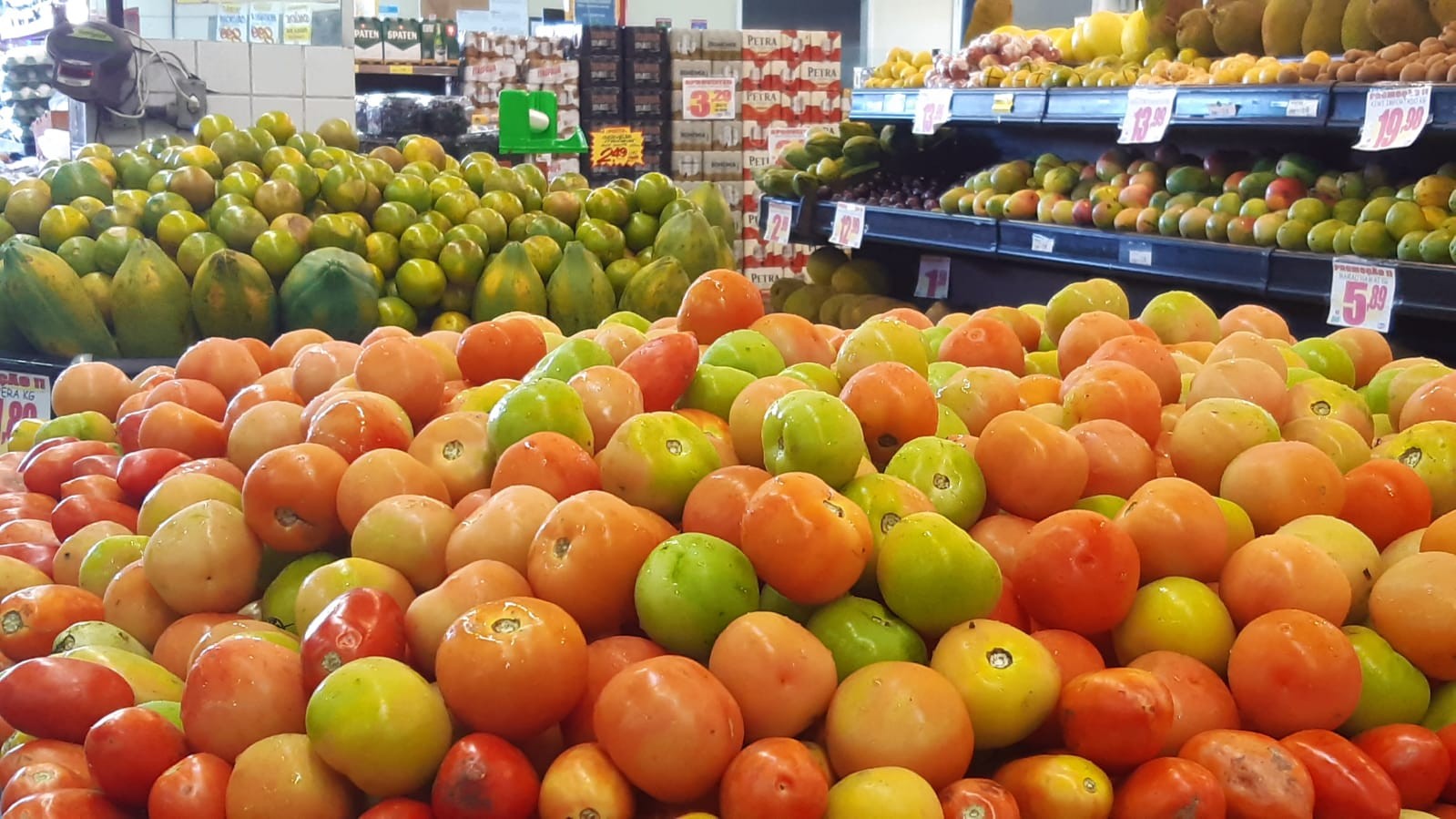
The average price of a basic food basket in Natal, Brazil, increased by 14.8% during the first six months of 2026, according to data released by Dieese. By June, the basket's cost reached R$ 686.07, up from R$ 595.86 in January. This rise placed Natal with the 11th highest increase among the 27 Brazilian capitals surveyed. Nationally, all cities experienced inflation in basic food items, with rates ranging from 4.02% in São Luís to 21.48% in Fortaleza. Despite the semi-annual increase, Natal saw a 3% price drop in June compared to May, making it the fourth cheapest capital for the basket. The cost of basic food items consumed 45.76% of a worker's income in June, considering a minimum wage of R$ 1,621 and a 7.5% social security deduction. The tomato was the product with the largest price decrease in June, falling by 20%. Over the year, eight of the twelve items in the basket became more expensive, with tomatoes seeing a significant 90.36% increase and carioca beans rising by 42.45%. Dieese attributes the sharp rise in bean prices to reduced cultivation areas and climate issues affecting harvests. Other products that increased in price include whole milk (12.8%) and beef (7.4%), while rice, soy oil, coffee, and sugar saw price decreases over the semester.
The significant increase in the basic food basket price in Natal during the first half of 2026 highlights persistent inflationary pressures on essential goods in Brazil. This trend, driven by factors such as reduced agricultural output and climate disruptions, directly impacts household purchasing power, particularly for lower-income segments of the population. The data suggests a systemic vulnerability in food supply chains to both market dynamics and environmental shocks. Looking ahead, the increasing frequency and intensity of such price volatilities may necessitate a re-evaluation of agricultural policies, supply chain resilience, and social safety nets to mitigate economic hardship and ensure food security in the face of evolving global and domestic challenges.
AI-generated to prompt reflection — not editorial opinion, not advice, not a statement of fact. How this works.