Natal's Jerônimo Câmara Avenue Recapping Project Enters New Phase, Affecting Traffic
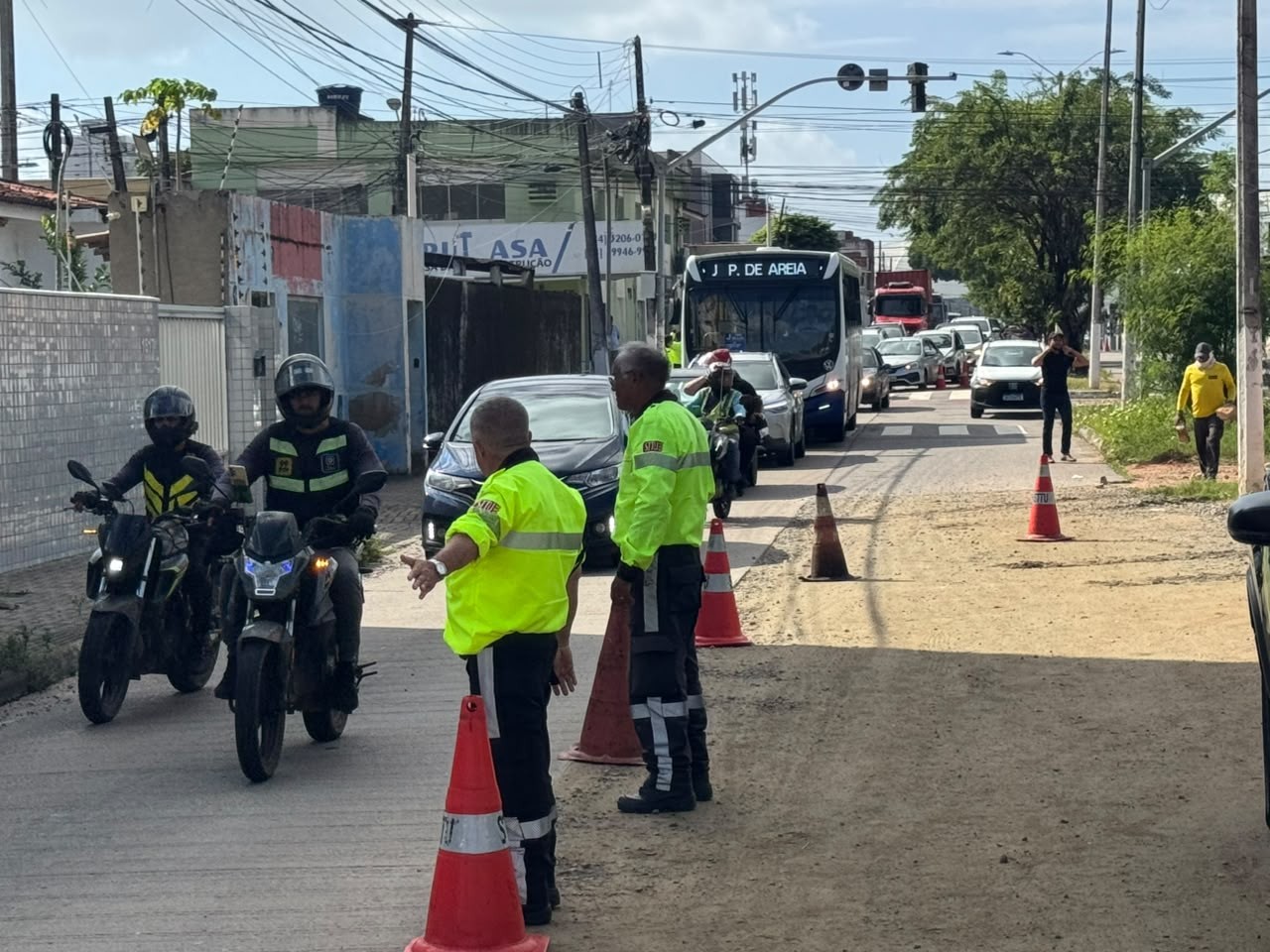
Recapping work on Jerônimo Câmara Avenue in Natal, Rio Grande do Norte, has entered a new phase as of Monday, May 13th, leading to significant traffic alterations. Currently, traffic is restricted to a single right-hand lane, which is made of concrete and designated exclusively for public transport. The other three lanes are occupied by work crews. These construction activities are concentrated on the section between Jaguarari and Potiguares avenues. The current stage involves milling the old asphalt and preparing the base layer in areas awaiting new pavement. At the intersection with the National Supply Company (Conab), the left lane has been cordoned off for material removal. Jerônimo Câmara Avenue is a crucial traffic corridor in Natal, connecting the South and West zones and hosting important public facilities like the Food Supply Center and Caic Lagoa Nova, in addition to Conab. To manage traffic flow and prevent congestion, agents from the Urban Mobility Secretariat (STTU) are present, with cones placed at intersections with Jaguarari Avenue and Guamoré Street. Drivers are advised to plan their journeys, seek alternative routes, and pay close attention to signage. The recapping project originally began on July 2nd, but the overall intervention has been ongoing since the 2014 World Cup, with an initial completion target as a legacy project for urban mobility. Construction first started in 2013, meaning residents have waited 13 years for its completion. The Natal City Hall states the project has resumed using its own funds, with the Municipal Infrastructure Secretariat reporting an investment of R$4.3 million. The completion is anticipated within 120 days, with traffic restrictions adapting to the construction progress. Local residents, who have long awaited the resumption of these works, express hope for the avenue's finalization despite the temporary disruptions.
The extended delay of the Jerônimo Câmara Avenue recapping project, originating from 2013 and initially slated for completion in 2014, highlights systemic challenges in urban infrastructure management and project execution within Natal. The project's resumption with municipal funds, after over a decade, suggests a shift in fiscal priorities or a critical need to address the avenue's deteriorating condition. The current traffic management strategy, prioritizing public transport on a dedicated lane, reflects an attempt to balance immediate mobility needs with construction demands, a common trade-off in urban renewal. Looking ahead, the prolonged timeline and significant investment underscore the importance of robust project planning, transparent procurement, and effective oversight mechanisms to ensure future infrastructure projects are delivered efficiently and within projected timelines, thereby maximizing public benefit and minimizing disruption.
AI-generated to prompt reflection — not editorial opinion, not advice, not a statement of fact. How this works.