Natal's Municipal Hospital May Be Managed Through Public-Private Partnership
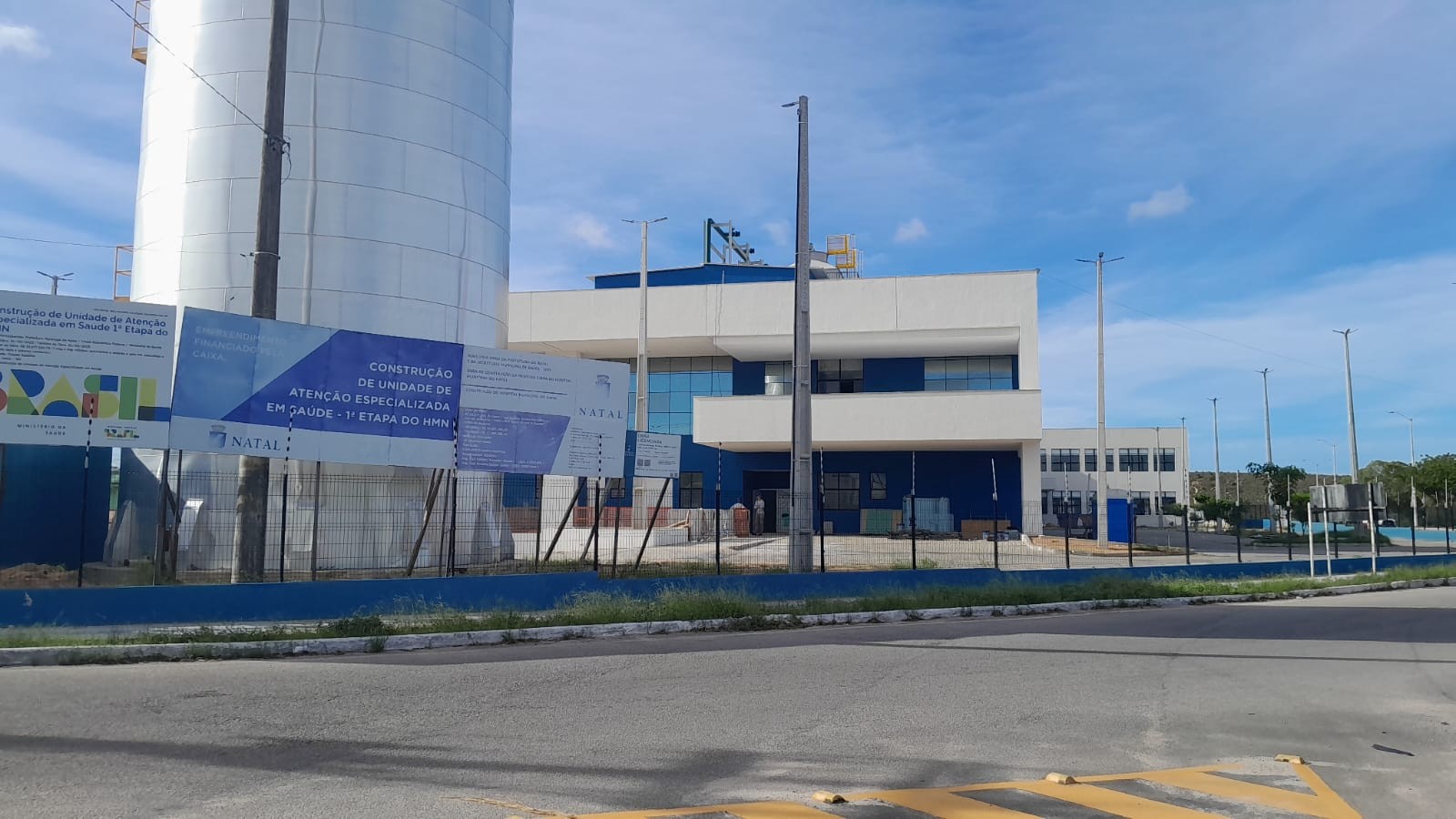
Natal's Municipal Hospital, located in Pitimbu, which was inaugurated in December 2024 but has never operated, is now under consideration for management via a Public-Private Partnership (PPP). The Municipal Council for the Management of Public-Private Partnership Programs of Natal (CGPPP) has begun analyzing a PPP proposal for the hospital's administration. The financial details of this proposal have not yet been disclosed. Prior to reaching the council, the proposal underwent an initial technical assessment by the Municipal Secretariat of Concessions, Partnerships, Entrepreneurship, and Innovations (Sepae) and the Municipal Secretariat of Health (SMS). According to the city government, the project aims not only to manage the hospital but also to complete the necessary structures for its operation. The Municipal Secretariat of Sepae, Arthur Dutra, stated that the technical evaluation indicated the proposal merits further exploration as it offers a viable solution for both hospital management and the completion of its infrastructure, with the goal of enhancing service efficiency for the public. The Natal City Hall clarified that the current Private Interest Manifestation (MIP) is an early, unilateral step by the proposing company and is subject to numerous administrative procedures. The city reserves the right to proceed or not with the MIP, and if deemed in the public interest, it would require a public tender to gauge interest from other potential parties. The Municipal Hospital of Natal, despite its December 2024 inauguration during the tenure of then-Mayor Álvaro Dias, has remained non-operational due to unfinished construction, lack of equipment, and the need for health teams. The project is estimated to cost approximately R$ 160 million, divided into two phases. The first phase includes 100 beds (90 ward, 10 ICU), diagnostic imaging, pharmacy, kitchen, laundry, and procedure rooms. The second phase plans for expansion with additional beds, a surgical center, and a maternity ward.
The situation with Natal's Municipal Hospital highlights a recurring challenge in public infrastructure development: the gap between inauguration and operational readiness. The exploration of a Public-Private Partnership (PPP) suggests a potential strategy to leverage private sector expertise and capital to overcome these operational hurdles and complete unfinished construction. However, the process underscores the importance of robust due diligence and transparent public procurement, as indicated by the city's emphasis on administrative procedures and the potential for public tender. This approach aims to ensure that any partnership genuinely serves the public interest and achieves greater efficiency, rather than merely transferring existing challenges. Looking ahead, the success of such PPPs will depend on clear performance metrics, risk allocation, and mechanisms for accountability to ensure long-term service delivery and value for taxpayer money in the evolving landscape of public service provision.
AI-generated to prompt reflection — not editorial opinion, not advice, not a statement of fact. How this works.