Natal's São João Festival Generates R$112.6 Million, Boosts Local Economy
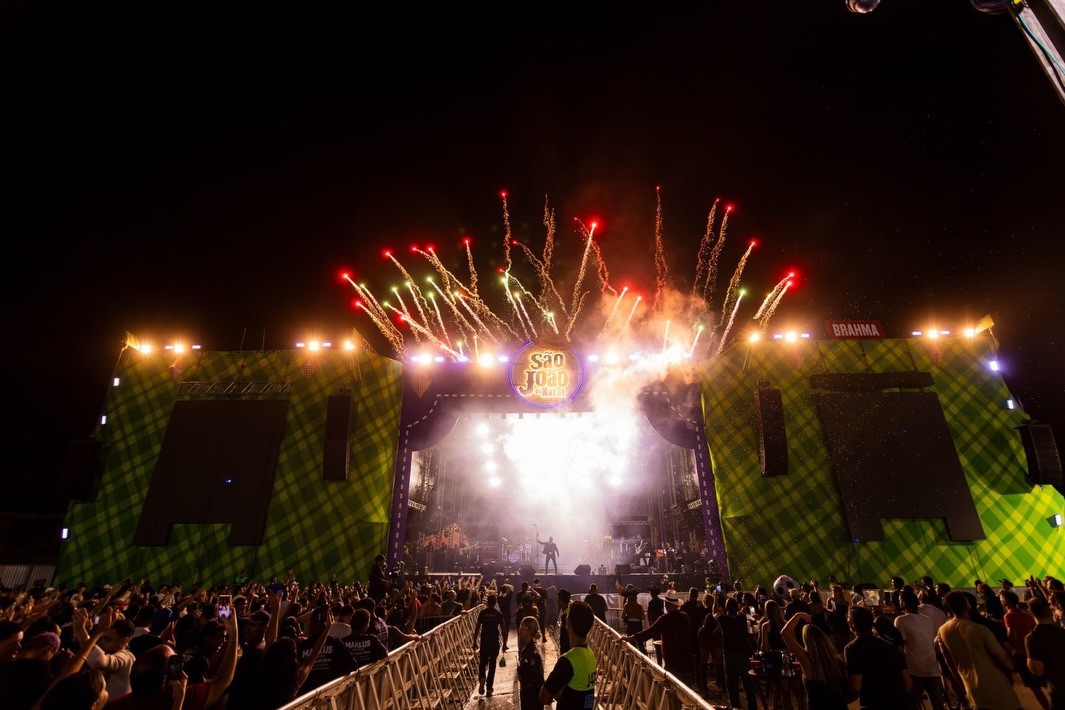
The 2026 São João de Natal festival in Natal, Brazil, generated a substantial economic impact, moving R$112.6 million and yielding a return of R$5.63 for every R$1 invested by the city government. An estimated 938,500 people attended the event, according to research conducted by the Universidade do Estado do Rio Grande do Norte (Uern). The study, titled "Perfil do Visitante do São João de Natal 2026" and performed by the Observatório Potiguar do Turismo (Opotur), found that direct public spending was concentrated in food, transportation, and beverages. Of the attendees surveyed, 87.7% were residents of Natal, though the festival also attracted visitors from other municipalities within Rio Grande do Norte and from various other Brazilian states. The majority of participants expressed positive evaluations of the festival, indicated they would recommend it to others, and showed interest in returning for future editions. Mayor Paulinho Freire emphasized the event's role in boosting the economy and creating jobs, stating that investing in culture is also an investment in people. Municipal Secretary of Culture Iracy Azevedo highlighted the benefits to the local production chain, including merchants, entrepreneurs, informal workers, and the tourism and services sectors. Opotur coordinator Professor Sidcley Alegrini noted that the research aims to provide data to support future event planning, public policy formulation, and decision-making for tourism-related entities.
The São João de Natal festival demonstrates a successful model for leveraging cultural events to stimulate local economies, as evidenced by the significant return on investment and broad public satisfaction. The research methodology, focusing on visitor profiles and spending patterns, provides valuable data for optimizing future event planning and public policy. From a systems perspective, such events highlight the interconnectedness of cultural investment, economic development, and community engagement. As cities increasingly rely on tourism and cultural offerings for revenue and identity, understanding the drivers of attendee satisfaction and economic multipliers becomes crucial for sustainable urban development. The challenge lies in balancing public funding with private sector participation to ensure long-term viability and equitable distribution of benefits.
AI-generated to prompt reflection — not editorial opinion, not advice, not a statement of fact. How this works.