Natal Streets Flood Despite Rainfall Ceasing
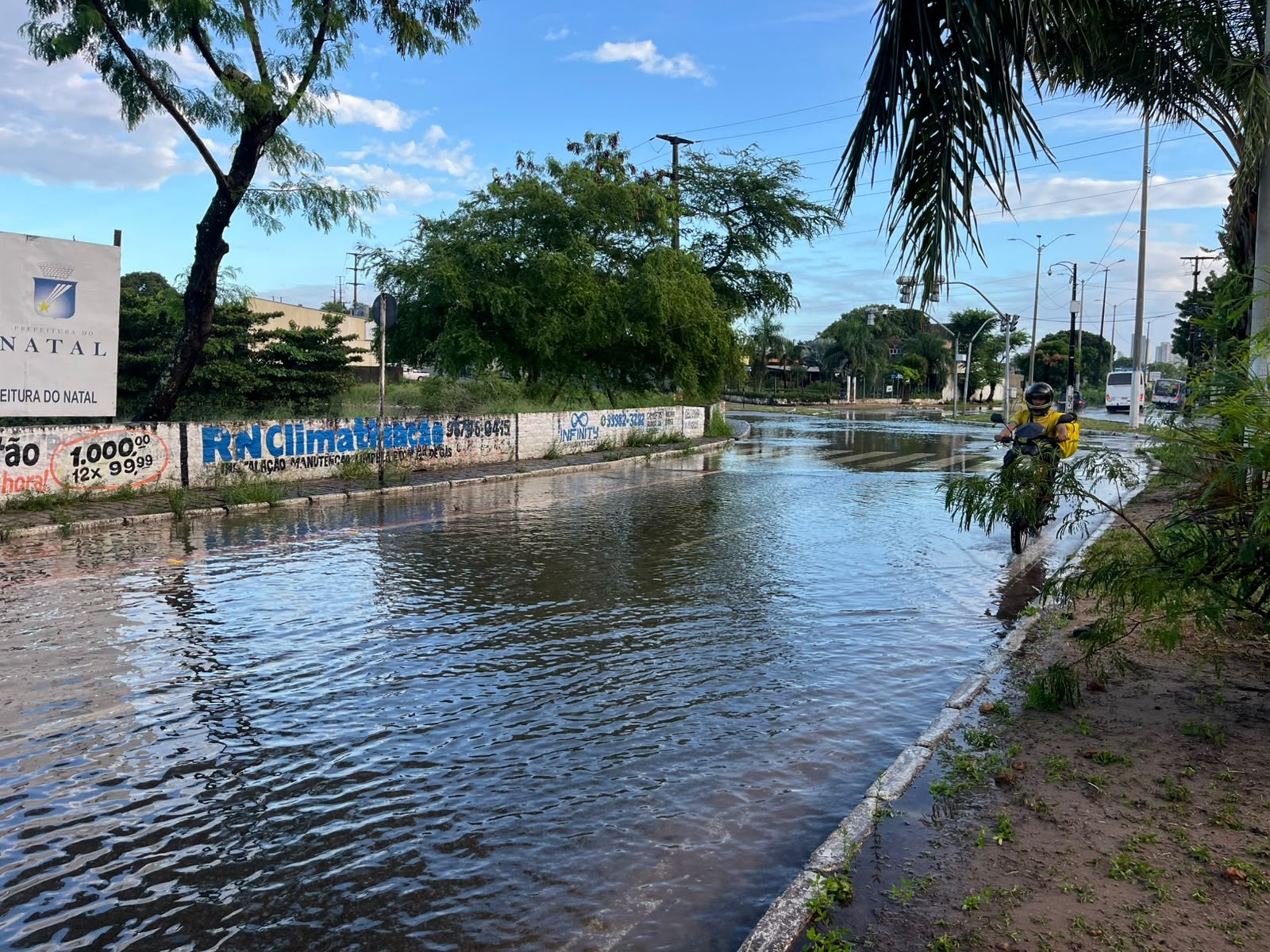
Natal, Brazil, experienced significant street flooding on Wednesday, March 22nd, even after the cessation of heavy rains. The Empresa de Pesquisa Agropecuária do Rio Grande do Norte (Emparn) reported 28.6 millimeters of rainfall in the preceding 24 hours. The intense downpours on Tuesday, March 21st, caused considerable disruption, including the overflow of a lagoon at the intersection of Ayrton Senna Avenue and Alagoas Avenue in the South Zone, which was temporarily closed. Although the water receded enough for vehicles to pass by Wednesday morning, the area remained submerged. The Municipal Secretariat of Infrastructure (Seinfra) attributed the initial overflow to a power outage affecting a drainage pump. This issue was reportedly resolved, and a generator was installed as a preventative measure to ensure continuous operation of the drainage system. Another area affected was the intersection of Antônio Freire de Lemos and Marcos Augusto streets in the Planalto neighborhood, West Zone, which also remained flooded on Wednesday morning, with drivers navigating the submerged roadway. Some neighborhoods in Natal recorded over 90 millimeters of rain on Tuesday, exceeding the city's average of 68 mm. The flooding also impacted the sandy shores of Ponta Negra beach and caused lagoons to overflow in the Metropolitan Region, leading to flooded streets and homes.
The persistent flooding in Natal, even after rainfall stops, highlights potential systemic issues in urban drainage and infrastructure resilience. While the immediate cause cited was a power interruption to a drainage pump, the recurring nature of such events suggests underlying challenges, possibly related to the capacity of drainage systems to handle intense rainfall events, which are projected to become more frequent with climate change. The installation of a generator is a reactive measure; a more proactive approach might involve evaluating and upgrading the overall drainage network's capacity and ensuring redundant power supplies for critical infrastructure. This situation underscores the need for long-term urban planning that integrates climate adaptation strategies to mitigate the impact of extreme weather events on city infrastructure and residents.
AI-generated to prompt reflection — not editorial opinion, not advice, not a statement of fact. How this works.