National Archives Negotiates Deal to Digitize Savings Accounts of Enslaved People
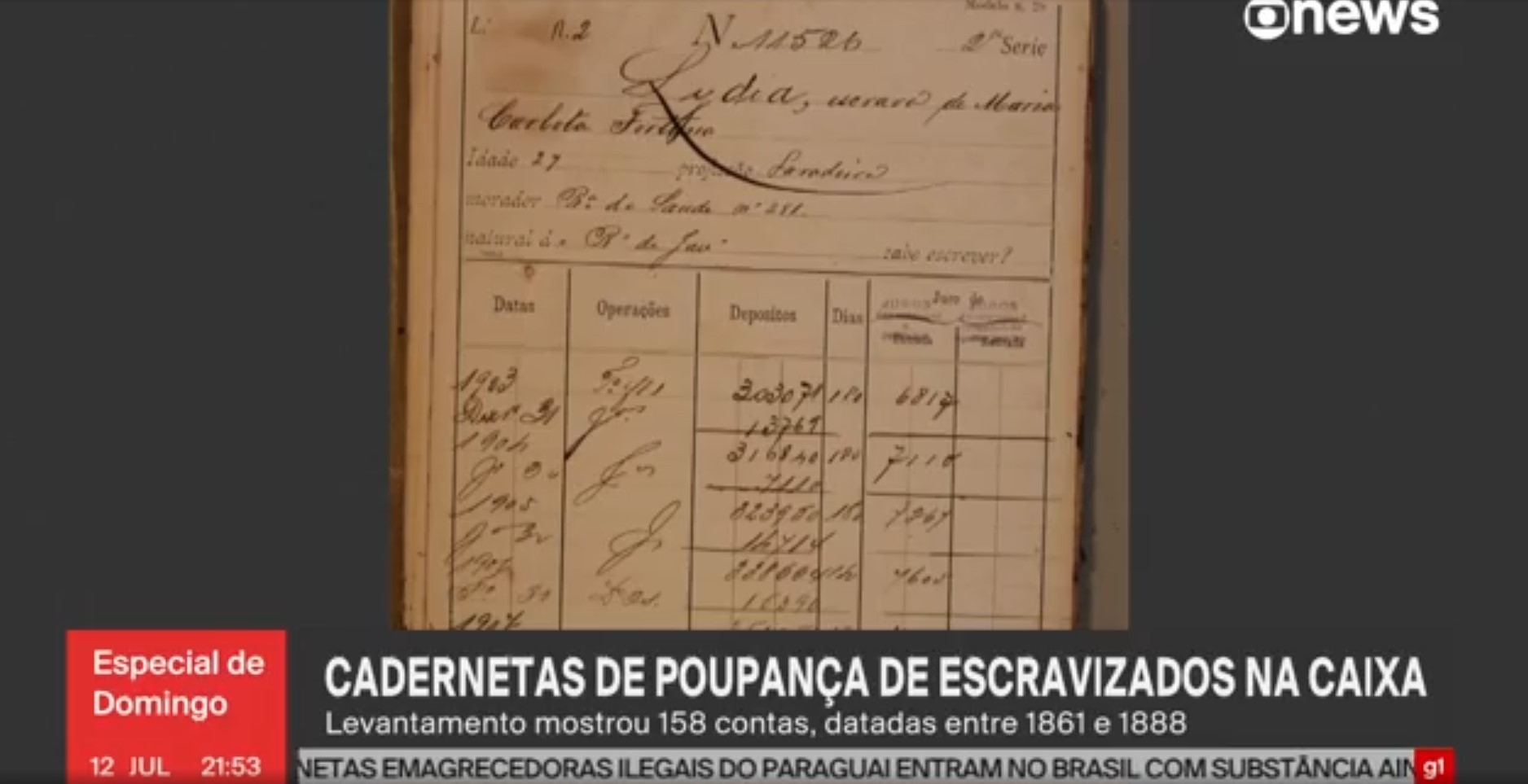
The National Archives in Brazil is in negotiations with Caixa Econômica Federal, a federal savings bank, to establish a technical cooperation agreement for the digitization of 158 savings account passbooks belonging to enslaved individuals from the 19th century. These documents were discovered by Caixa during a survey requested by the Federal Public Prosecutor's Office (MPF), which is investigating the preservation and fate of this documentary heritage. The records contain personal details such as names, professions, addresses, and financial transactions of enslaved people who managed to accumulate savings before abolition. Monica Lima, the Director-General of the National Archives, stated that discussions are progressing, with initial technical visits and online meetings having already taken place. The next step involves a further technical inspection of the archives to assess the condition of the account books. The anticipated outcome of the agreement is the digital preservation of these materials, thereby increasing access for researchers and the public to documents crucial for understanding the history of slavery, the development of Brazil's financial system, and the ultimate disposition of funds held in these accounts. These passbooks offer more than just financial records; they tell personal stories, such as that of Lydia, a 27-year-old laundress identified as enslaved by Maria Carlota Fortuna, whose account remained inactive until 1931. The MPF initiated a civil inquiry after a representation from a Black movement organization questioned the handling of these savings, prompting the investigation into the matter. Negotiations are ongoing, with the finalization of the agreement contingent upon the completion of the technical assessment.
This initiative to digitize the savings accounts of formerly enslaved individuals represents a significant step towards rectifying historical omissions and providing a more comprehensive understanding of the economic realities of slavery in Brazil. By making these documents accessible, researchers and the public can gain deeper insights into the agency and financial strategies of enslaved people, challenging simplistic narratives. The involvement of the Federal Public Prosecutor's Office highlights the legal and ethical dimensions of preserving and utilizing such sensitive historical data, prompting questions about accountability and the long-term stewardship of this heritage. As Brazil navigates its future, understanding these past financial dynamics could offer valuable perspectives on persistent socioeconomic disparities and the enduring impact of historical injustices on contemporary financial systems and societal structures.
AI-generated to prompt reflection — not editorial opinion, not advice, not a statement of fact. How this works.