National Assembly Passes Four Ordinances Replacing Bills
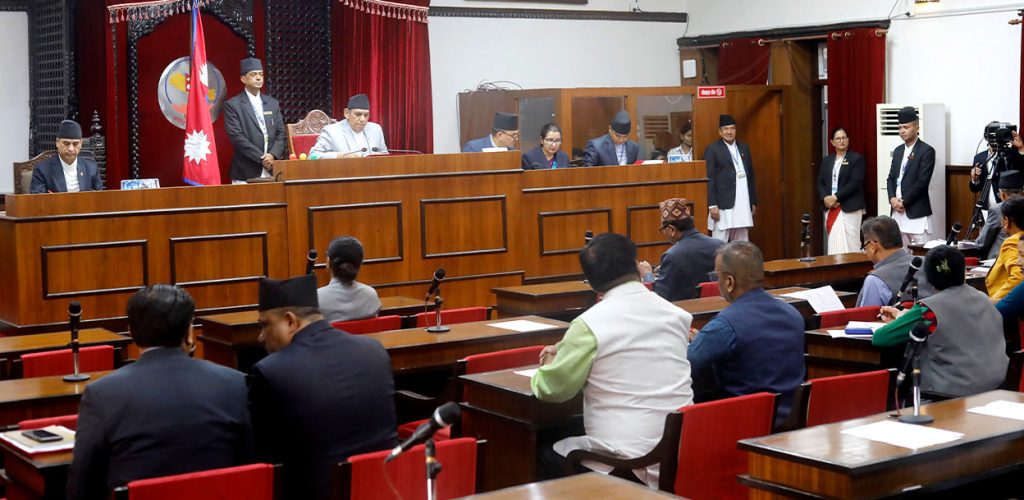
The National Assembly has passed four bills that will replace ordinances previously issued by the government. The government had recommended to President Ramchandra Paudel on Baishakh 14, 2083 (Nepali calendar) to issue eight ordinances during a parliamentary recess. President Paudel subsequently issued all of these ordinances. The recent legislative action signifies a move to integrate these ordinances into the formal legal framework through parliamentary approval. This process ensures that executive actions taken during non-session periods are subject to legislative scrutiny and endorsement. The passage of these four replacement bills indicates a significant step in the legislative agenda, addressing matters that were deemed urgent enough for ordinance issuance.
The legislative process of replacing ordinances with bills highlights the dynamic interplay between executive and legislative powers in Nepal. While ordinances allow for swift action during parliamentary breaks, their subsequent replacement by bills signifies the constitutional requirement for legislative oversight. This mechanism ensures that emergency measures are eventually debated and approved by elected representatives, promoting democratic accountability. The transition from ordinance to bill can be influenced by political considerations, the urgency of the matters addressed, and the government's legislative priorities. The successful passage of these four bills suggests a consensus or sufficient support within the National Assembly for the measures contained within them, integrating them into the permanent legal structure.
AI-generated to prompt reflection — not editorial opinion, not advice, not a statement of fact. How this works.