National Bank Gets Special Permission to Rent Out Twin Tower Building Amid Financial Crisis
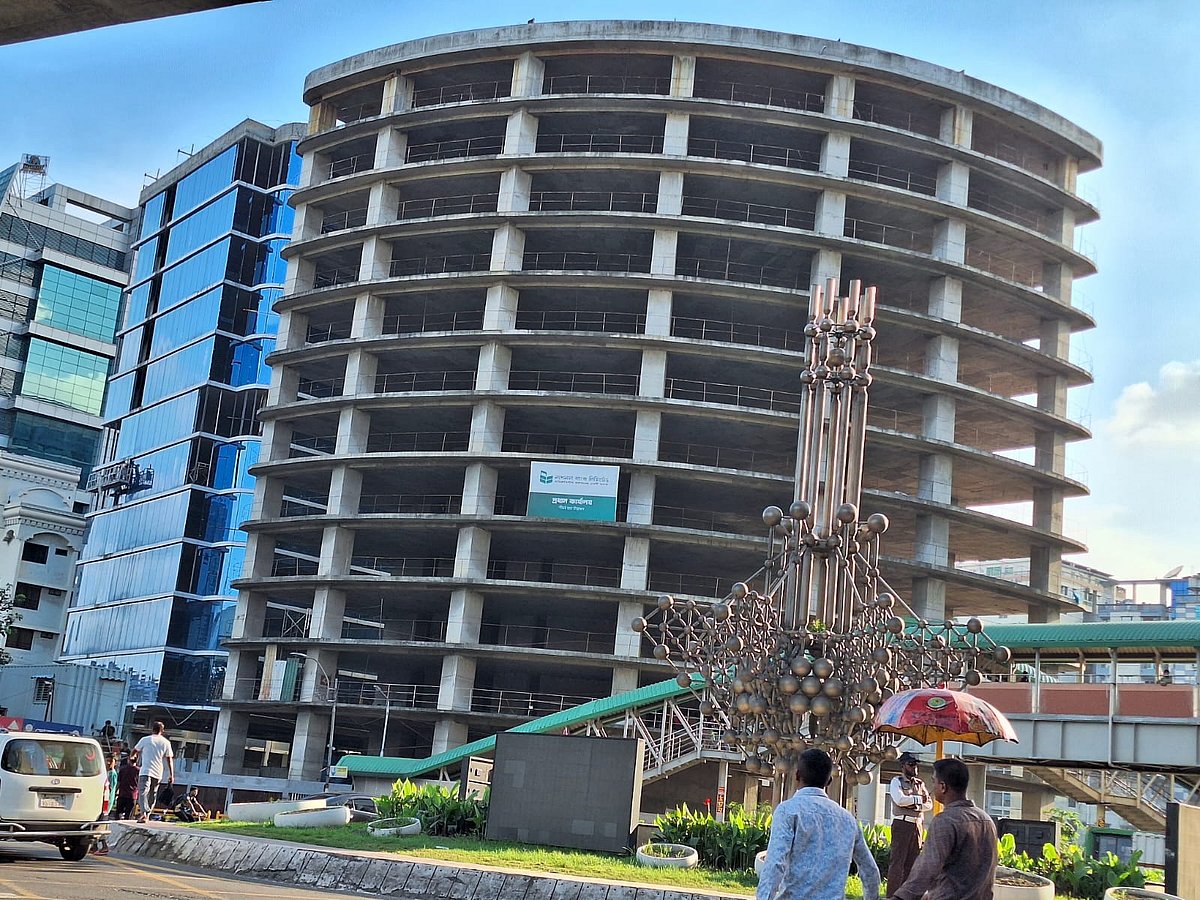
National Bank, facing a severe financial crisis with over 56.44% of its loans classified as non-performing, amounting to approximately 24,000 crore taka, has received special authorization from Bangladesh Bank to rent out one of its under-construction 'Twin Tower' buildings. This move is intended to generate revenue and alleviate the bank's financial distress. The Twin Towers, located in Karwan Bazar, Dhaka, consist of two 12-story buildings with a total floor space of 355,000 square feet, and their construction cost has already exceeded 500 crore taka. One tower will house the bank's head office, while the other will be commercially rented out. This is the first time any bank in Bangladesh has been granted such permission, as the Bank Company Act generally prohibits banks from engaging in the business of renting out property. Bangladesh Bank granted this special exception after consulting with the government, citing the bank's critical financial situation and its need to repay depositors. The bank has a significant security deposit deficit of nearly 20,000 crore taka and incurred a loss of 1,706 crore taka in 2024. The Twin Tower project, initiated in 2014, faced delays due to an accident during piling in 2015. The bank's financial woes are linked to its previous management under the Sikder family, which controlled the bank until after the fall of the Awami League government in 2024. The current board decided to relocate the head office to the new Twin Towers, as the bank was paying a high monthly rent of 2.5 crore taka for its current head office in a Sikder Group-owned building.
The decision by Bangladesh Bank to grant National Bank an exemption from the Bank Company Act to rent out property highlights a systemic challenge in managing distressed financial institutions. While the immediate objective is to provide liquidity and improve the bank's financial standing, this precedent raises questions about regulatory consistency and the long-term implications for market competition. The substantial non-performing loan ratio and significant losses suggest deeper governance and risk management issues that require structural reform beyond temporary revenue-generating measures. The intervention, while aimed at preventing a wider financial contagion, could incentivize similar requests from other struggling banks, potentially creating a moral hazard. Future regulatory frameworks may need to balance flexibility for crisis management with maintaining a level playing field and ensuring robust oversight to prevent the recurrence of such financial vulnerabilities.
AI-generated to prompt reflection — not editorial opinion, not advice, not a statement of fact. How this works.