National Children's Day: Minister Highlights People's Schools Fulfilling Children's Rights
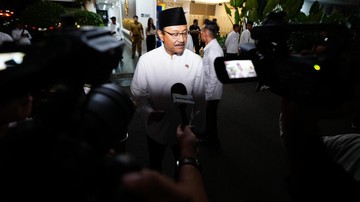
On National Children's Day, Indonesian Minister of Social Affairs, Gus Ipul, stated that the government is committed to strengthening protection, assistance, and rehabilitation services for children in need. He emphasized that 'people's schools' are being established to ensure that children's rights are met. These initiatives reflect the government's ongoing efforts to safeguard vulnerable youth and provide them with necessary support systems. The focus on these educational institutions underscores a strategy to integrate rights fulfillment within accessible community-based structures. The Ministry of Social Affairs plays a crucial role in coordinating these protective and rehabilitative measures across the nation. The minister's remarks highlight a proactive approach to addressing the multifaceted needs of children, particularly those requiring specialized care and educational opportunities. This commitment extends to ensuring that all children, regardless of their circumstances, have their fundamental rights upheld through dedicated programs and institutions.
The establishment of 'people's schools' as highlighted by the Minister of Social Affairs signifies a governmental strategy to institutionalize the fulfillment of children's rights. This approach, framed within the context of National Children's Day, suggests a public policy focus on accessible education as a primary mechanism for child protection and rehabilitation. From a systemic perspective, such initiatives can address educational disparities and provide crucial support services, potentially mitigating long-term social and economic disadvantages for children. The effectiveness of this strategy will likely depend on equitable resource allocation, teacher training, and community engagement to ensure these schools are not only established but also provide quality education and support tailored to diverse needs. The long-term impact will be observable in improved educational outcomes and reduced vulnerability among children in the coming decade.
AI-generated to prompt reflection — not editorial opinion, not advice, not a statement of fact. How this works.