National Citizen Party Leader Fined BDT 2 Lakh for Illegally Filling Titas River Floodplain
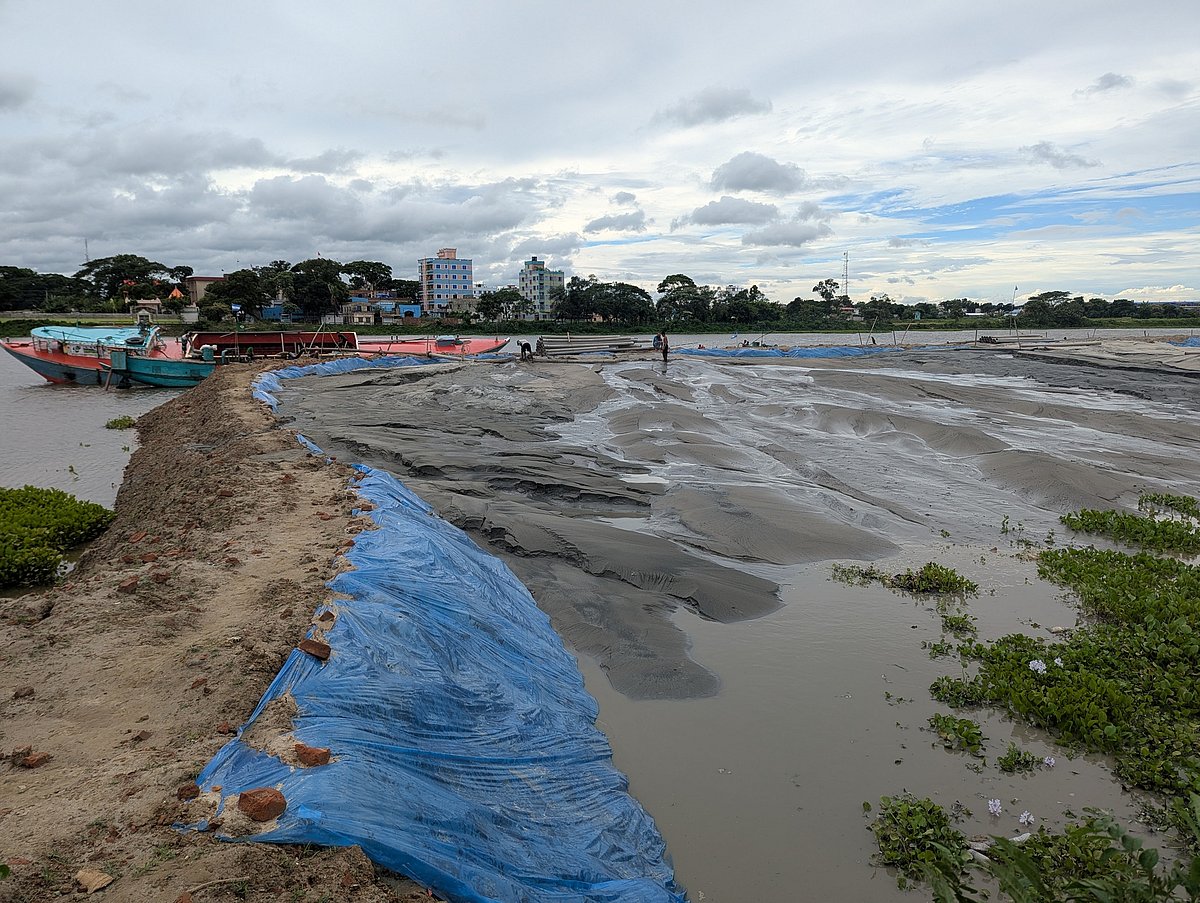
A mobile court in Brahmanbaria has fined Azizur Rahman, a leader of the National Citizen Party (NCP), BDT 200,000 for illegally filling a floodplain along the Titas River with sand. The operation, conducted on Wednesday afternoon near the Medda crematorium ghat area of the Titas River, also resulted in the destruction of approximately 3,000 feet of pipe and the disabling of two excavators. Azizur Rahman, a former convener and current member of the district NCP, owns a disused brick kiln adjacent to the disputed land. For over a decade, this land, used by locals as a playground during dry seasons, has been left abandoned. In the past month, soil from the low-lying areas was excavated and piled up, with sand dredged from elsewhere being brought in by boat over the last two weeks to fill the riverbank land. This illegal activity was brought to light by a pictorial report published in the newspaper Prothom Alo on July 7th. The mobile court, led by Executive Magistrate and Sadar Upazila Assistant Commissioner (Land) Nasrin, found evidence of illegal filling using excavators and pipes. Although Azizur Rahman was not present during the raid, his representative paid the fine. The action was taken under the Sand Management and Soil Management Act, 2010. Union Land Assistant Officer Md. Rafiqul Islam and Bench Assistant Al Amin were also present during the operation.
This incident highlights a recurring conflict between development pressures and environmental protection in Bangladesh, particularly concerning its vital river systems. The illegal filling of floodplains not only disrupts natural water flow and drainage, increasing flood risks, but also encroaches upon public spaces and ecological habitats. The swift action by the mobile court, including fines and equipment seizure, demonstrates a regulatory response to such violations. However, the underlying incentives for such land reclamation, potentially driven by real estate or agricultural expansion, suggest a need for more robust land-use planning and enforcement mechanisms. Future efforts should focus on sustainable land management practices that balance economic needs with the long-term ecological health and resilience of riverine ecosystems, especially in the face of climate change impacts.
AI-generated to prompt reflection — not editorial opinion, not advice, not a statement of fact. How this works.