National Event at UFMS Showcases Social Inclusion and Income Generation Projects
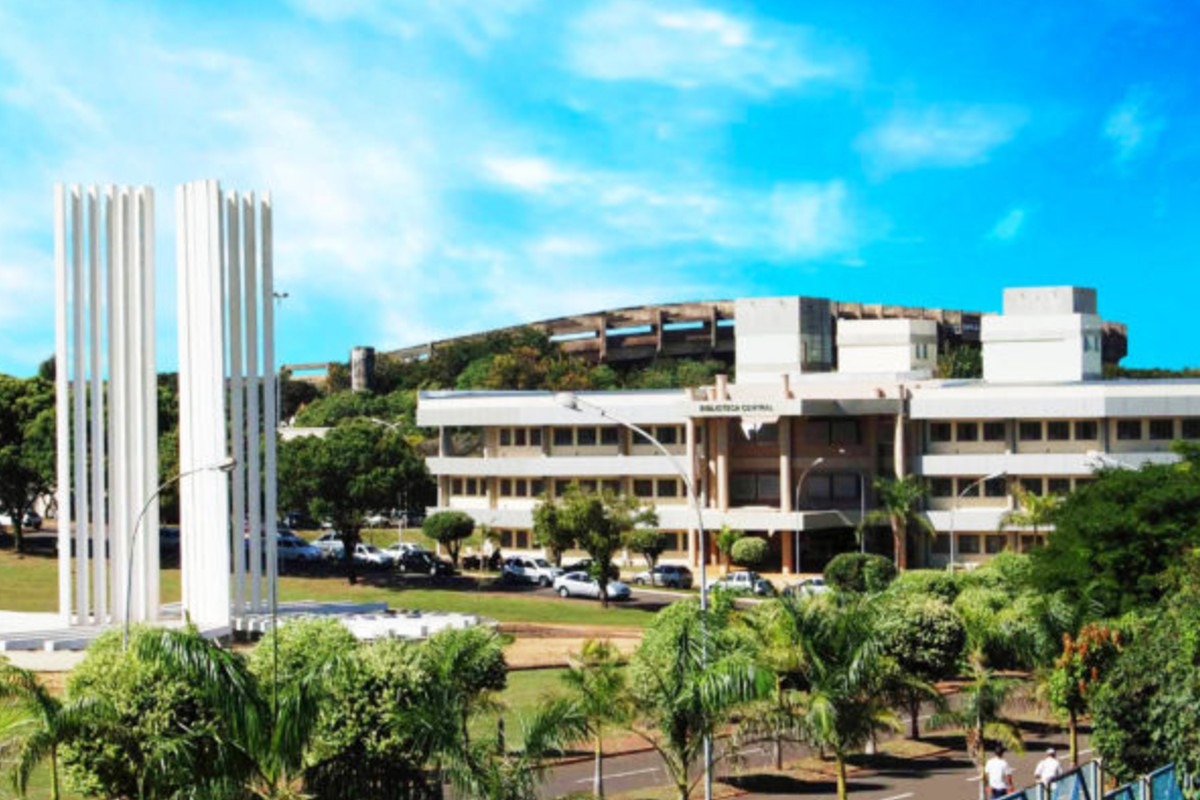
The Federal University of Mato Grosso do Sul (UFMS) in Campo Grande is hosting the National Enactus Brazil Event (ENEB) from July 21st to 24th. This significant gathering brings together approximately 800 students, professors, and leaders from across Brazil to present projects focused on income generation, social inclusion, and community development. Notably, this marks the first time the event has been held in Brazil's Center-West region. The ENEB features university teams that develop entrepreneurial initiatives to address social, economic, and environmental challenges, aiming to create income opportunities and improve community well-being. During the event, teams showcase their year-long project outcomes and compete for the national championship title. The program also includes expert-led lectures, career fairs, and networking opportunities with the job market. The selection of Campo Grande as the host city is intended to increase participation from various regions and highlight projects originating from the Center-West. The national champion team will earn the right to represent Brazil at the Enactus World Cup, scheduled for November 16th-19th in São Paulo. This global competition is expected to draw over 1,800 participants from more than 30 countries and will be the first time it is held in South America, a decision announced during the 2025 edition in Bangkok, Thailand. Enactus Brasil's initiatives align with the UN's Sustainable Development Goals (SDGs) and are present on all continents, involving over 50,000 young people dedicated to supporting social businesses and projects created by students.
This national event highlights the growing trend of student-led social entrepreneurship as a mechanism for addressing complex societal issues. By framing these projects around income generation and social inclusion, Enactus Brazil taps into both economic development and human capital enhancement. The emphasis on competition and global representation, culminating in the World Cup in São Paulo, serves as a powerful incentive structure for innovation and impact. The strategic choice of the Center-West region as host city, and the event's alignment with UN SDGs, suggests a deliberate effort to broaden geographic reach and integrate with established global development frameworks. Looking ahead, the scalability and long-term sustainability of these student-driven models will be critical factors in their ability to effect lasting change beyond the scope of academic projects, particularly as artificial intelligence continues to reshape economic landscapes and community needs.
AI-generated to prompt reflection — not editorial opinion, not advice, not a statement of fact. How this works.