National Examination Board Lacks Leadership for Eight Months
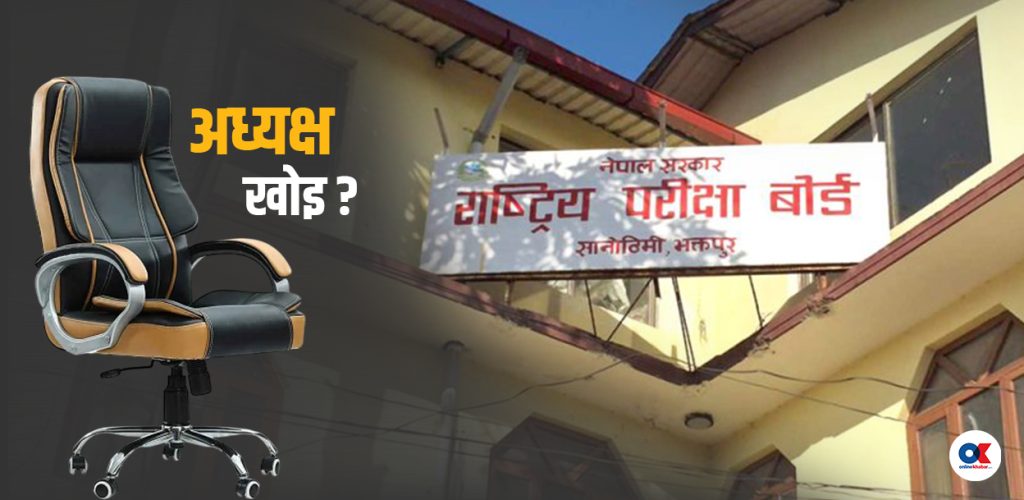
The National Examination Board in Nepal has been without a chairperson for eight months. This leadership vacuum has created significant challenges in making policy decisions, according to complaints from board employees. The absence of a leader has reportedly hampered the board's ability to function effectively and address critical issues. Staff members have expressed frustration over the prolonged period of administrative uncertainty. The lack of a chairperson means that crucial strategic directions and operational guidelines cannot be formally approved. This situation raises concerns about the board's capacity to manage examinations and educational policies efficiently. The ongoing leadership void could have long-term implications for the country's education sector. Employees are calling for a swift appointment to resolve the ongoing issues.
The prolonged absence of a chairperson at the National Examination Board highlights potential governance weaknesses within Nepal's educational administrative structures. Such leadership vacuums can impede the timely implementation of educational policies and strategic planning, potentially affecting the quality and efficiency of examination processes. This situation underscores the importance of robust succession planning and transparent appointment mechanisms to ensure continuity and effective decision-making in critical public institutions. Over the next decade, as educational systems globally face increasing demands for adaptability and technological integration, maintaining stable leadership will be paramount for navigating these complex changes.
AI-generated to prompt reflection — not editorial opinion, not advice, not a statement of fact. How this works.
