National Libertarian Party Denies Responsibility for Ex-Advisor's Remarks
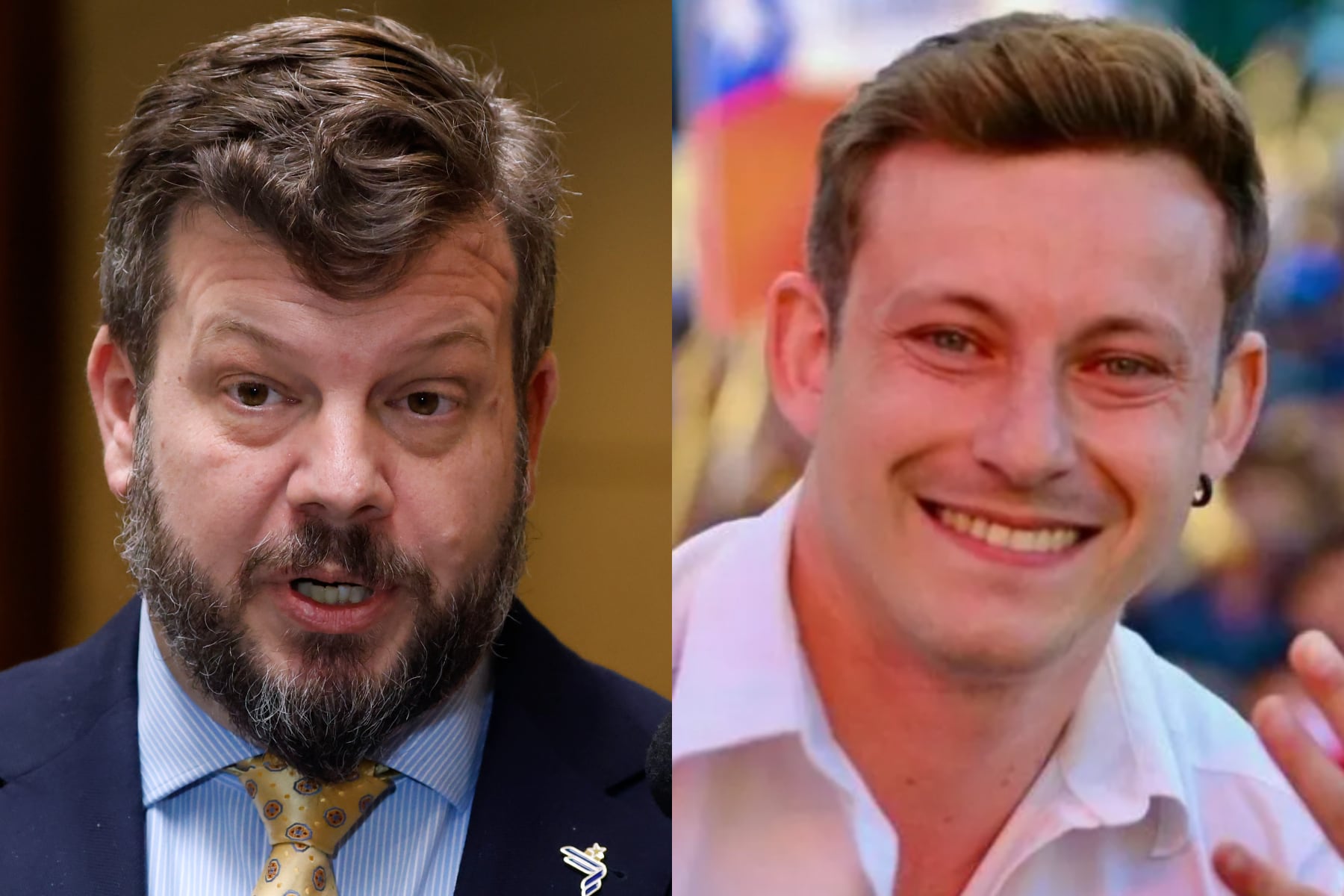
The president of the National Libertarian Party (PNL), who is also identified as Kaiser, has declared that the party does not take responsibility for the statements made by former parliamentary advisor Ítalo Omegna. Kaiser described Omegna's comments as "unacceptable" and defended that consequences have already been applied in relation to the case. The controversy stems from a video containing remarks about minors and individuals with Autism Spectrum Disorder (TEA). Kaiser also criticized the criticisms directed at the party from the opposition and other political groups. The PNL president's stance indicates a clear separation between the party's official position and the personal declarations of its former advisor, emphasizing that such statements do not reflect the party's values or policies. The party aims to distance itself from the fallout of the video, suggesting that the matter has been addressed internally.
This situation highlights the challenges political parties face in managing the public statements of their members and former associates, particularly when those statements generate significant controversy. The PNL's swift denial of responsibility, while a common strategy to mitigate reputational damage, underscores the complex relationship between party platforms and individual actions. In the evolving digital age, where content can spread rapidly and have lasting repercussions, political organizations must develop robust internal governance and communication protocols. This incident prompts consideration of accountability frameworks that balance freedom of expression with the imperative to uphold ethical standards and protect vulnerable groups, especially in the context of public discourse surrounding sensitive issues like those involving minors and neurodivergent individuals.
AI-generated to prompt reflection — not editorial opinion, not advice, not a statement of fact. How this works.