National Lipstick Day: More Than Just Makeup, It's a Symbol of Identity
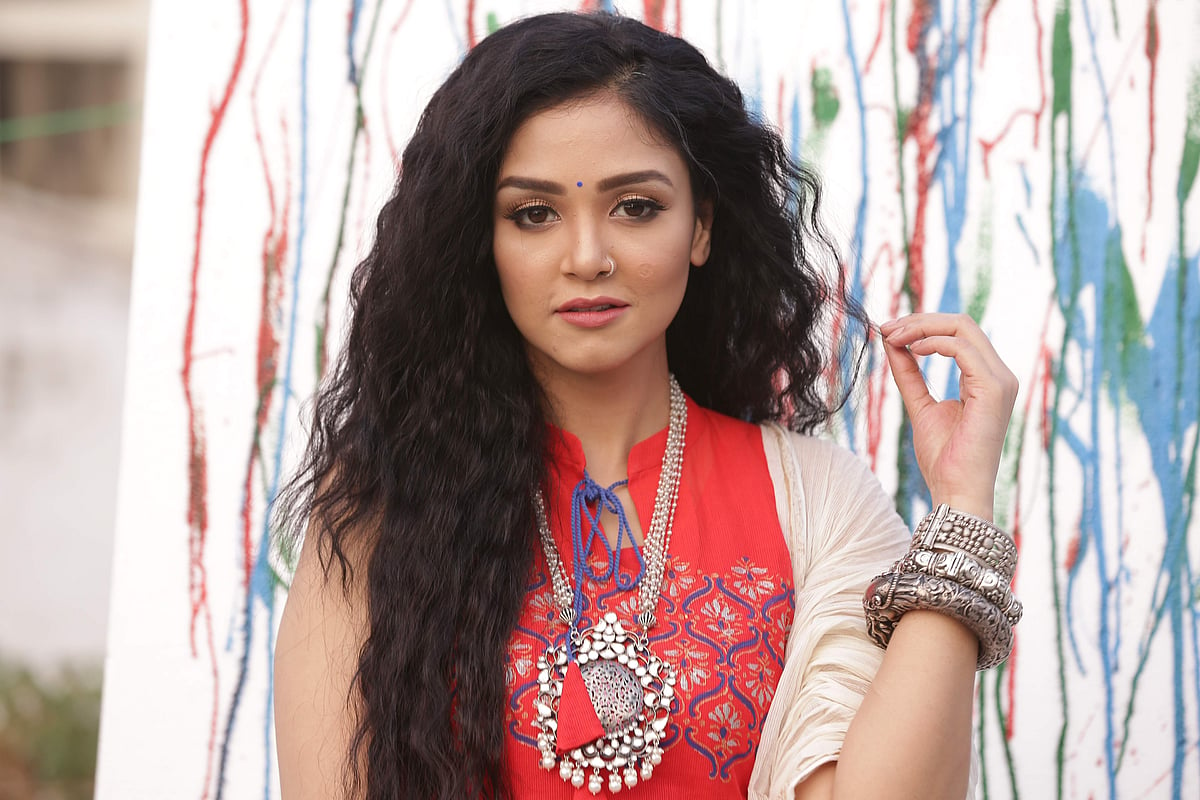
National Lipstick Day, celebrated annually on July 29th, highlights lipstick's enduring significance beyond mere cosmetics. Originating from an initiative by American makeup artist and entrepreneur Huda Kattan in 2016, the day has become a global occasion for beauty enthusiasts to express their love for lipstick and personal style. Lipstick has historically served as a powerful symbol of beauty, personality, and self-expression across various cultures, often representing femininity, social status, or even luxury. The choice of lipstick color can significantly impact one's appearance, bringing freshness and confidence. Current trends include ombré styles and a resurgence of lip-liner use, alongside the classic appeal of red lipstick, which is widely associated with confidence, power, and passion. Selecting the right shade involves considering skin tone, mood, occasion, and personal style for a balanced look. For a natural 'no-makeup' appearance, light pink, peach, or nude shades are recommended, with nude lipsticks ideally being one shade darker than the skin tone. Modern lipsticks are increasingly formulated with lip-care ingredients in addition to color. Ultimately, the most suitable lipstick is the one that makes an individual feel confident and comfortable.
The cultural significance of lipstick extends far beyond its aesthetic function, serving as a potent tool for personal expression and identity construction. The commercialization of National Lipstick Day, initiated by a prominent beauty entrepreneur, reflects the intersection of consumer culture and self-perception, where beauty products are framed as vehicles for empowerment. While individual choice in makeup is a form of autonomy, the industry's marketing often leverages psychological triggers to drive consumption, potentially creating pressure to conform to evolving trends. As technology advances, the beauty industry faces scrutiny regarding sustainable practices and ethical sourcing, alongside the ongoing dialogue about inclusivity and representation in product development and advertising. Future innovations may focus on personalized formulations and enhanced user experiences, further blurring the lines between cosmetic enhancement and individual identity.
AI-generated to prompt reflection — not editorial opinion, not advice, not a statement of fact. How this works.