National Soccer Team and Inclusive Nationalism
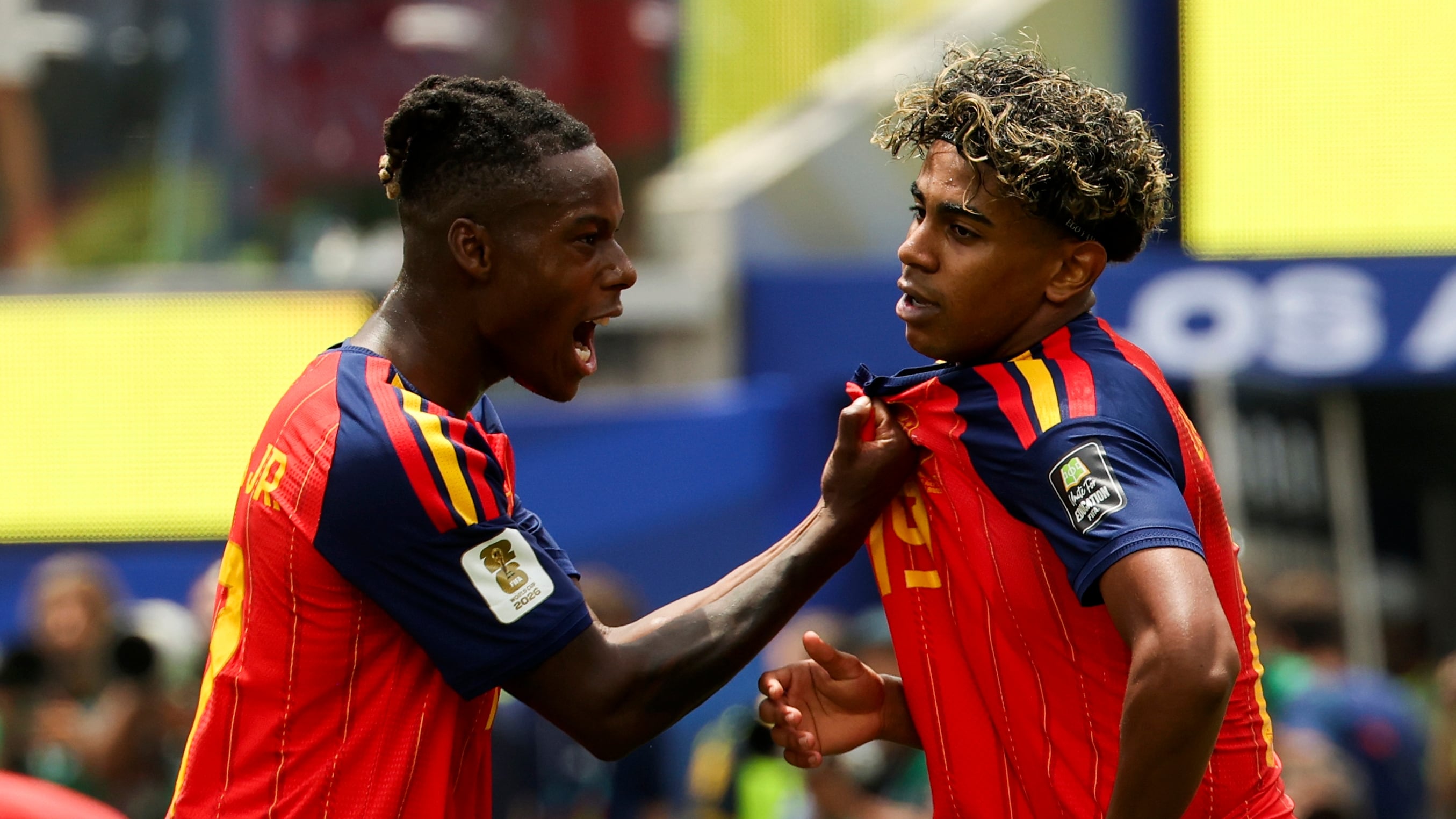
The current World Cup is being highlighted as an exemplary event because it relativizes the importance of origins. This perspective suggests that the tournament is fostering a sense of unity that transcends geographical and ethnic backgrounds. The national soccer team, in this context, serves as a unifying force for the nation. Its performance and presence on the global stage appear to be instrumental in promoting a more inclusive form of national identity. The idea is that shared passion for the team can bridge divides and create a common ground for citizens. This inclusive nationalism, facilitated by the sport, aims to foster a sense of belonging for everyone, regardless of their personal history or place of birth. The World Cup's ability to momentarily set aside differences and focus on collective support for the national team is seen as a positive development.
The World Cup's role in fostering national unity, as described, can be viewed through the lens of collective identity formation. Sporting events often serve as powerful platforms for national cohesion, temporarily elevating shared symbols and narratives above individual or group differences. This phenomenon can be analyzed in terms of social psychology and the dynamics of in-group favoritism, where shared external focus strengthens internal bonds. From a governance perspective, such moments of unity can be leveraged to promote broader social integration, though the sustainability of this effect beyond the event itself remains a key question. The challenge lies in translating this temporary solidarity into lasting inclusive practices within society.
AI-generated to prompt reflection — not editorial opinion, not advice, not a statement of fact. How this works.