Nationalist Citizens Party to Hold Protest Rally in Habiganj Following Attack on Leaders
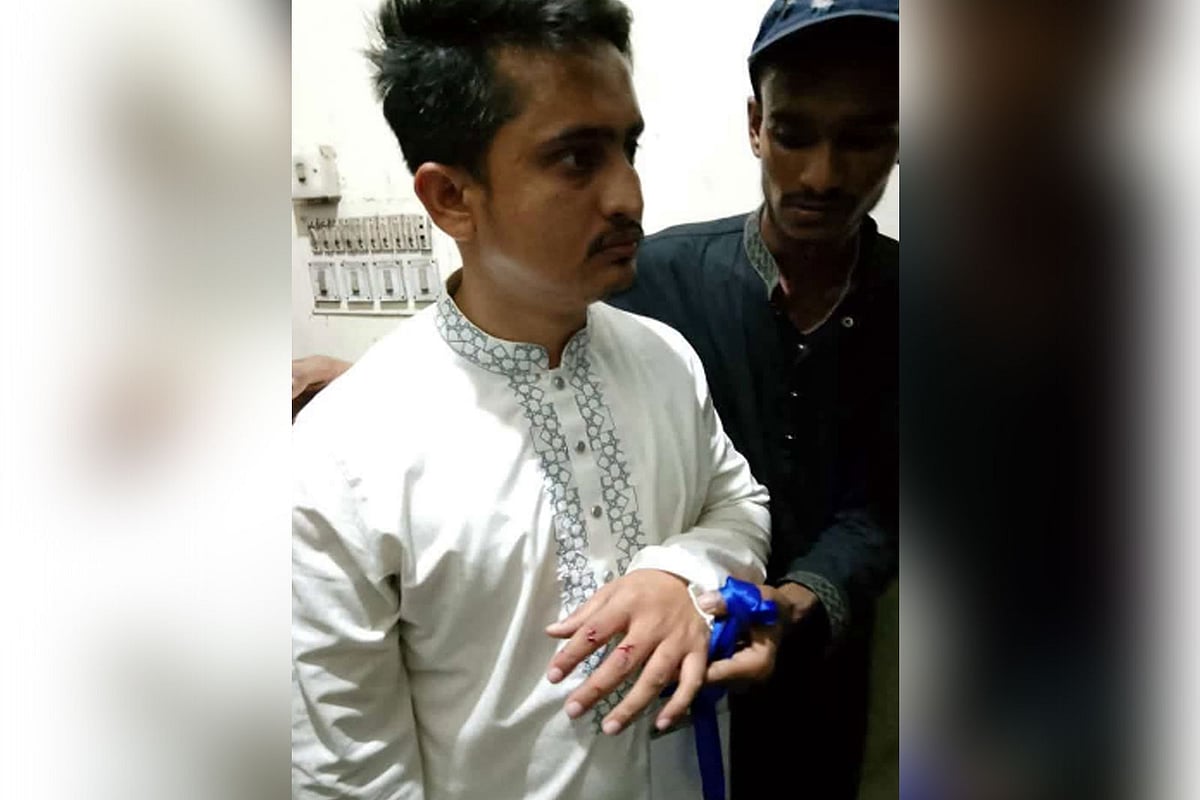
The Nationalist Citizens Party (NCP) will hold a protest rally in Habiganj town on Wednesday afternoon to condemn an attack on its leaders' motorcade during the 'July March' program. The rally will feature key central leaders, including NCP convener and Chief Whip of the opposition in Parliament, Nahid Islam. The announcement was made by NCP's chief organizer (Northern Region), Sarjis Alam, via a Facebook post late Tuesday night. He also stated that two marches scheduled for Wednesday in Moulvibazar district have been temporarily postponed to facilitate the Habiganj protest. The NCP alleges that the attack, which involved stone-pelting and vandalism, was carried out by the student wing of the ruling Bangladesh Nationalist Party (BNP), Chhatra Dal. The incident occurred after the 'July March' rally concluded in Habiganj, with NCP leaders' vehicles being targeted as they departed. Sarjis Alam's car was reportedly chased and pelted with stones, forcing him to seek refuge in a bank building, where he was later surrounded by Chhatra Dal activists. The NCP claims that police and Rapid Action Battalion (RAB) were present but failed to intervene effectively, allowing the attackers to damage a media team's van and seize equipment. Several NCP members and drivers sustained injuries, with some reportedly suffering broken limbs. In response, NCP activists organized a protest march in the evening, which led to further clashes and injuries on both sides, disrupting traffic. The General Secretary of Habiganj District Chhatra Dal, Zillur Rahman, attributed the incident to provocative speeches made by NCP leaders at the rally, which he claims led to heightened tensions among his party's activists.
The confrontation between the Nationalist Citizens Party (NCP) and the Chhatra Dal in Habiganj highlights the volatile nature of political mobilization in the region, particularly when involving youth wings of major parties. The NCP's accusation of a planned attack by the Chhatra Dal, coupled with the latter's defense citing provocative speeches, points to a breakdown in inter-party communication and potential escalations stemming from perceived political slights. Future engagements will likely be shaped by the need for enhanced security protocols and potentially mediation efforts to prevent similar disruptions. The reliance on social media for announcements and accusations also underscores the evolving landscape of political discourse, where rapid dissemination can both inform and inflame public sentiment, necessitating careful management of messaging by all actors involved.
AI-generated to prompt reflection — not editorial opinion, not advice, not a statement of fact. How this works.