Native Tree with Spines and Swollen Trunk is Actually a Succulent
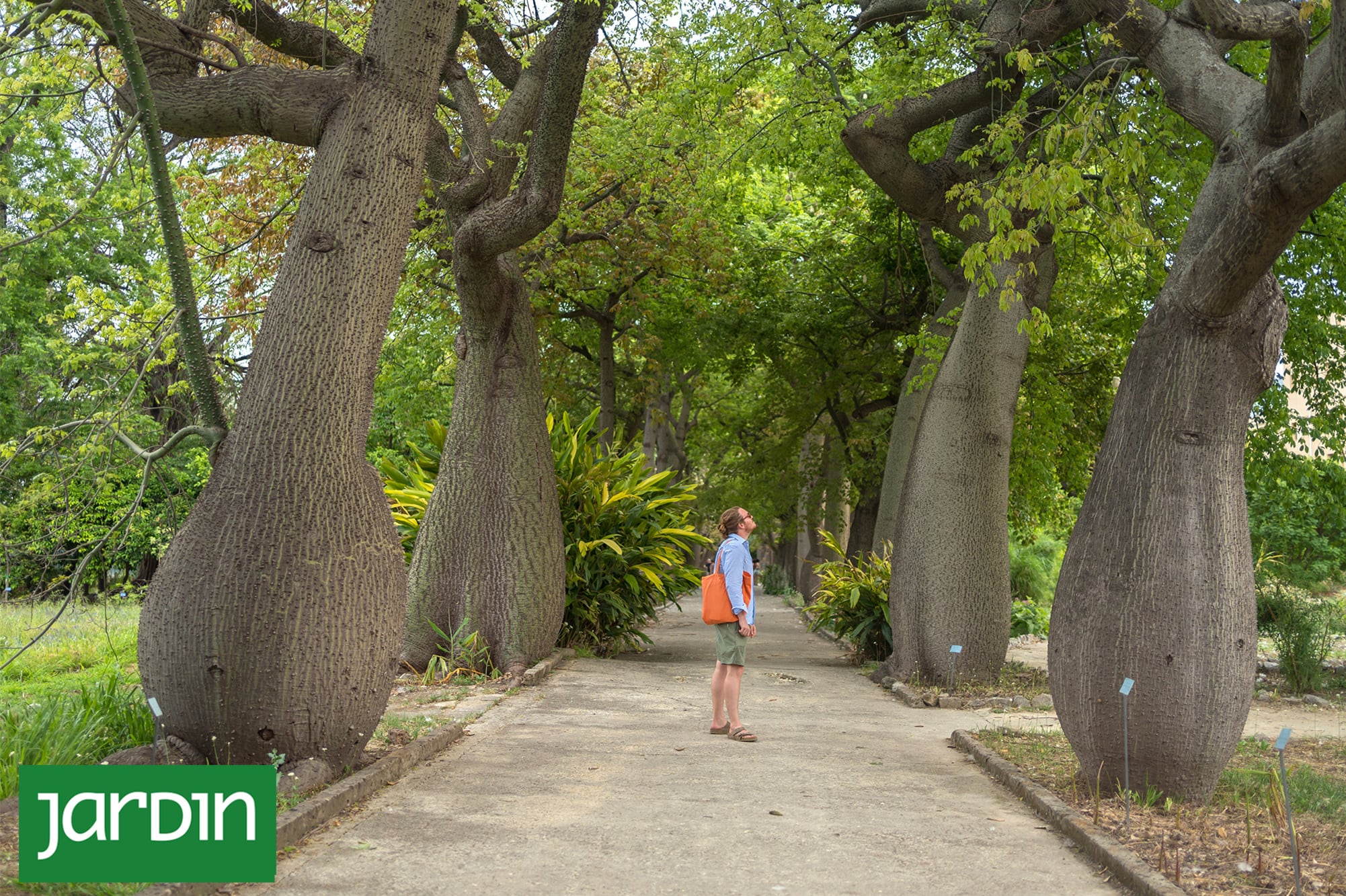
A unique native tree, characterized by its spines, swollen belly, and silk flowers, has been identified as a succulent. Its distinctive silhouette is not accidental but serves a vital purpose for survival. The tree's enlarged trunk acts as a reservoir, storing water to help it endure dry periods. This adaptation allows the plant to thrive in arid conditions where water is scarce. The combination of its thorny exterior and water-storing capacity makes it a remarkable example of botanical adaptation.
This botanical discovery highlights the diverse evolutionary strategies employed by plants to adapt to challenging environments. The classification of this native tree as a succulent underscores the fluid nature of biological categorization and the importance of understanding functional morphology. The plant's water-storing trunk and defensive spines represent a sophisticated survival mechanism, demonstrating nature's efficiency in resource management. Future research could explore the specific physiological processes enabling such water retention and the ecological interactions influenced by its unique characteristics, offering insights into drought-resistant agriculture and landscape design.
AI-generated to prompt reflection — not editorial opinion, not advice, not a statement of fact. How this works.