NATO Allies Pledge Increased Defense Spending, But European Governments Struggle to Fund New Commitments
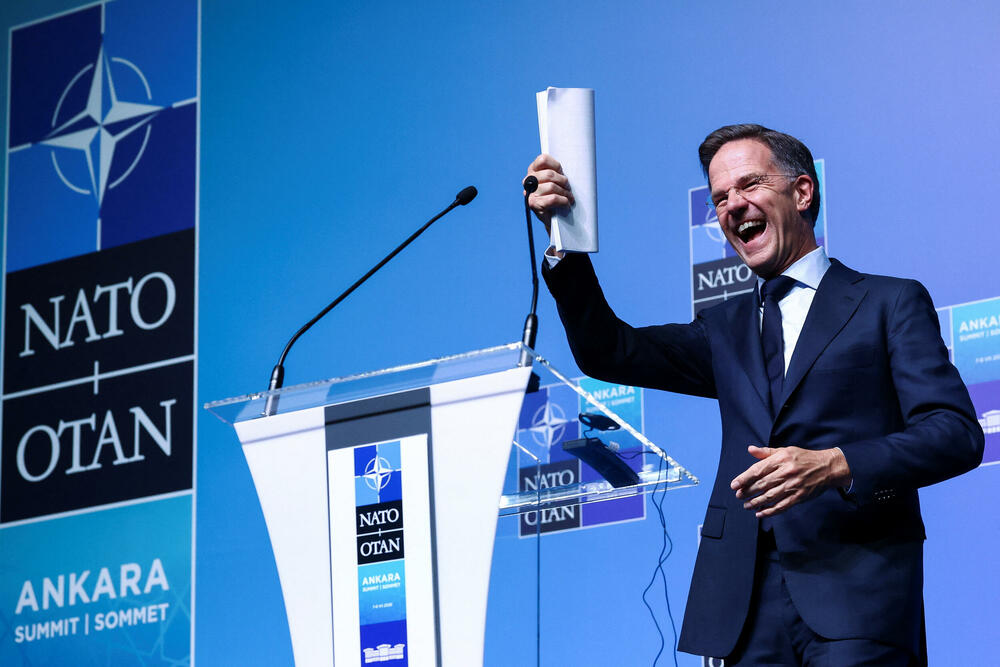
While NATO allies have pledged to increase their defense spending, some European governments are finding it increasingly difficult to meet these new financial obligations. The commitment to greater defense expenditure was made by member states, reflecting a broader geopolitical shift and perceived security needs. However, the practical implementation of these pledges is proving challenging for several European nations. These governments are facing fiscal constraints that make it hard to allocate the necessary funds for defense. This situation highlights a potential gap between the stated intentions of NATO members and their capacity to fulfill them. The financial strain could impact the alliance's overall readiness and its ability to respond to evolving security threats. The ability of these governments to reconcile their defense commitments with their existing budgets will be a critical factor in the coming years.
The divergence between pledged defense spending increases and the fiscal realities faced by some European governments suggests a potential tension between geopolitical aspirations and economic limitations. This dynamic may necessitate a re-evaluation of burden-sharing within NATO, potentially leading to greater reliance on nations with stronger fiscal positions or a push for more innovative, cost-effective defense solutions. The long-term implications could involve shifts in military capabilities and strategic planning, as alliance members navigate the complex interplay of security imperatives and national economic constraints in an era of evolving global threats.
AI-generated to prompt reflection — not editorial opinion, not advice, not a statement of fact. How this works.