NATO and EU Face Uncertain Future
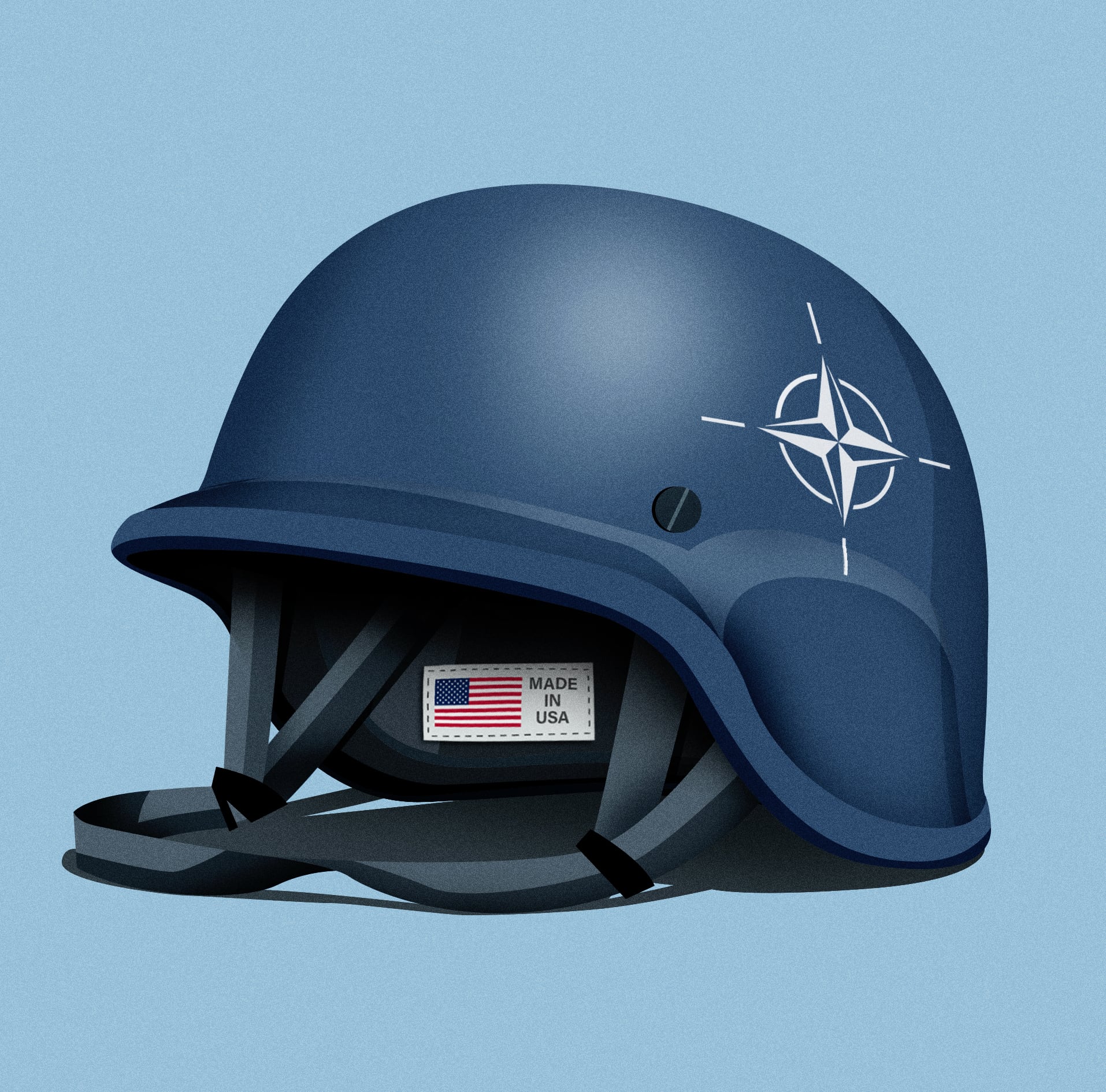
The North Atlantic Treaty Organization (NATO) and the European Union (EU) are confronting a period of significant uncertainty regarding their future trajectories. The current global landscape suggests that a passive approach, particularly in the face of perceived global hegemony, is unlikely to yield positive outcomes for these organizations. This implies a need for strategic re-evaluation and potentially more assertive actions to navigate the evolving geopolitical environment. The statement emphasizes that succumbing to the dominance of a world power is not a viable path forward for either NATO or the EU. Instead, a proactive and independent stance is implicitly advocated. The future outlook for both entities appears to hinge on their ability to adapt to shifting global dynamics and assert their own strategic interests effectively. The current geopolitical climate demands a departure from subservient postures, suggesting a need for renewed strategic vision and potentially bolder policy decisions. The long-term viability and influence of NATO and the EU may depend on their capacity to define and pursue their objectives independently, rather than being dictated by external hegemonic forces.
The assertion that NATO and the EU face a 'dark future' if they defer to a global hegemon suggests a critique of their current strategic positioning. This perspective implies that a reliance on or subservience to a dominant power may undermine the autonomy and long-term interests of these alliances. The analysis points to a potential systemic contradiction: organizations formed to ensure collective security and sovereignty may find themselves compromised by aligning too closely with a singular hegemonic influence. Moving forward, the efficacy of NATO and the EU in the next decade will likely depend on their ability to foster strategic independence and adapt to a multipolar world order. This requires a careful balancing act, ensuring cooperation where beneficial without sacrificing their own agency or contributing to an unsustainable global power imbalance. The challenge lies in defining a robust, independent strategic vision that can navigate complex international relations and technological shifts.
AI-generated to prompt reflection — not editorial opinion, not advice, not a statement of fact. How this works.