NATO braces for future Trump challenges after Ankara summit
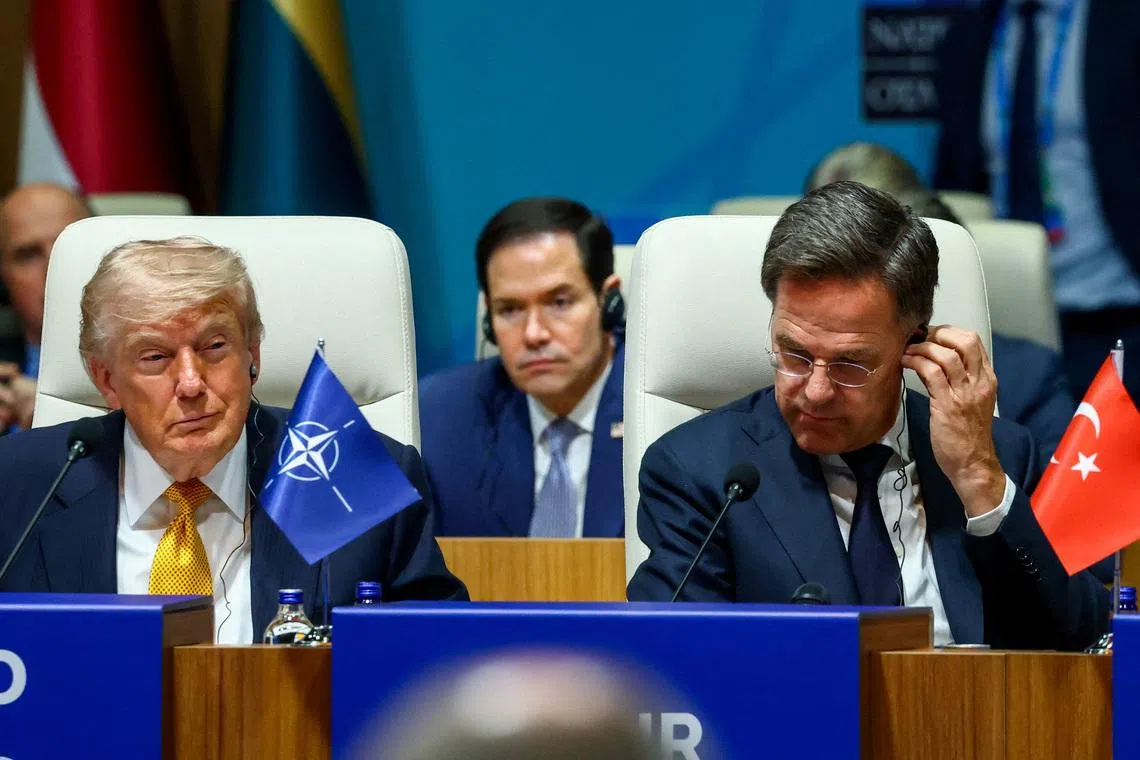
NATO has successfully navigated another period of potential disruption stemming from statements by U.S. President Donald Trump. Despite this, European members of the military alliance are preparing for continued volatility in their relationship with the American president. The recent Ankara summit served as a focal point for these ongoing discussions and strategic realignments within the alliance. While Trump's past critiques have tested NATO's cohesion, the alliance has demonstrated resilience in managing these pressures. However, the underlying tensions and the unpredictability of future U.S. policy under Trump's leadership remain a significant concern for European allies. This suggests a need for ongoing strategic planning and potential adjustments to alliance dynamics to ensure stability and continued cooperation. The summit in Ankara, while a moment of weathering a storm, also highlighted the persistent need for vigilance and adaptation within NATO.
The recurring pattern of U.S. presidential challenges to NATO's established framework, particularly concerning burden-sharing and strategic direction, highlights a fundamental tension between national interests and collective security. European allies' preparedness for further turbulence suggests an ongoing strategic recalibration, anticipating potential shifts in U.S. foreign policy. This dynamic invites analysis of institutional resilience versus the impact of individual leadership on long-standing alliances. The next decade's geopolitical landscape, shaped by evolving global power structures and technological advancements, will likely test the adaptability of such multinational organizations. The core question remains whether NATO can maintain its efficacy and unity amidst divergent national priorities and evolving international threats.
AI-generated to prompt reflection — not editorial opinion, not advice, not a statement of fact. How this works.