NATO Chief Faces US Loyalty Demands Ahead of Summit
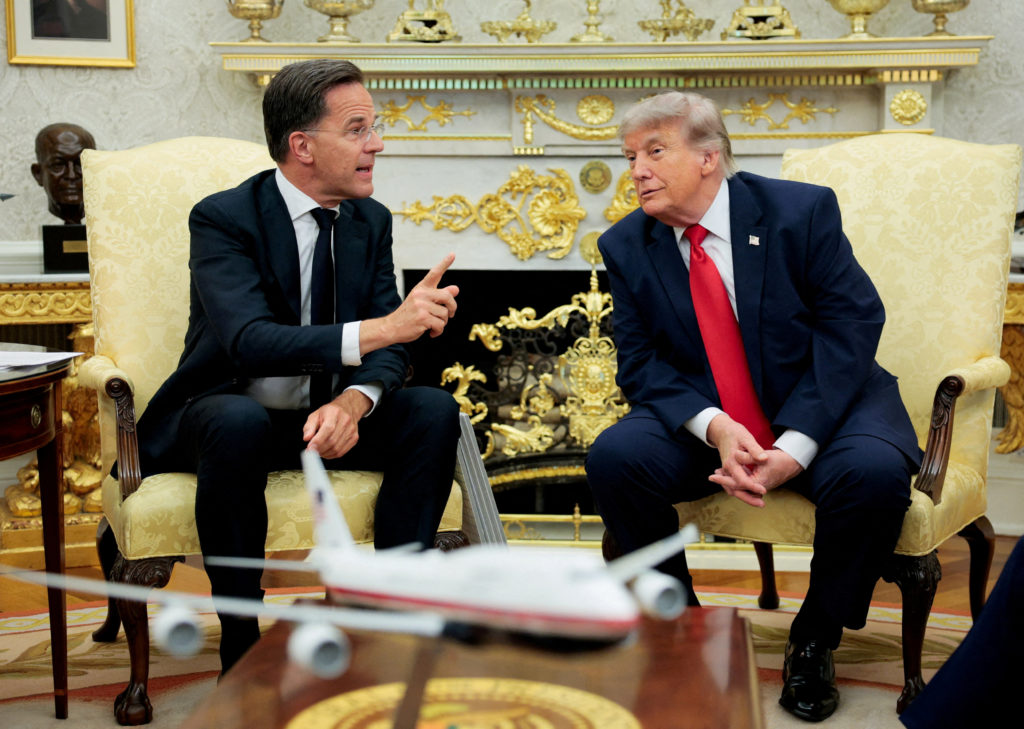
NATO Secretary-General Mark Rutte has spent nearly two years working to maintain the United States' commitment to the military alliance. His efforts are now facing a significant challenge as former President Donald Trump, a potential future US leader, is demanding "loyalty" from NATO members, going beyond the traditional focus on burden-sharing. Trump's stance suggests a shift in expectations, prioritizing perceived allegiance over financial contributions or military commitments. This demand could create friction within the alliance, as member states may have differing interpretations of what constitutes "loyalty" and how it should be demonstrated. Rutte's task has always been to ensure continued US engagement, a goal now complicated by these new, more personal demands. The upcoming summit will likely see intense discussions on these evolving expectations and their implications for NATO's future cohesion and operational effectiveness.
The evolving demands on NATO leadership highlight a tension between alliance solidarity and national political priorities. While burden-sharing has been a long-standing metric for commitment, the introduction of a "loyalty" requirement suggests a potential shift towards a more transactional or ideologically aligned alliance. This could create governance challenges, as defining and measuring "loyalty" is subjective and may diverge from established alliance protocols. Future iterations of NATO may need to navigate how to balance diverse national interests and leadership expectations with the collective security objectives that underpin the alliance's foundational purpose.
AI-generated to prompt reflection — not editorial opinion, not advice, not a statement of fact. How this works.