NATO Chief Urges Continued Support for Ukraine Ahead of Ankara Summit
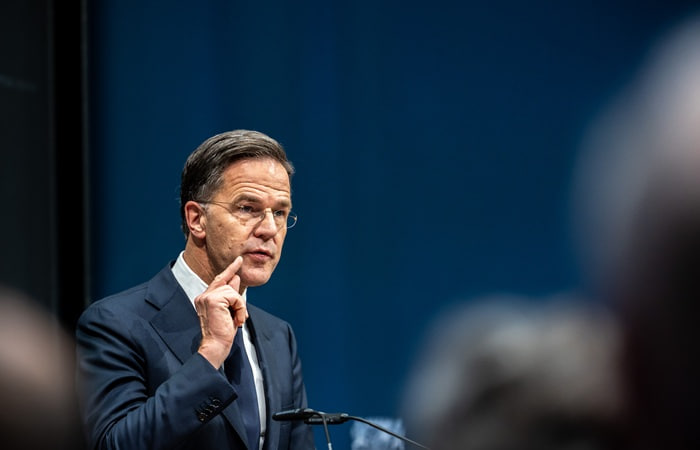
NATO Secretary General Mark Rutte has called on member states to continue their support for Ukraine. This appeal comes as the alliance prepares for its summit in Ankara. Rutte emphasized that Ukraine's security is directly linked to the security of the entire NATO alliance. He stressed the importance of maintaining assistance to Kyiv to ensure collective security. The upcoming summit in Ankara is expected to address ongoing support strategies for Ukraine. Rutte's statement highlights the strategic interdependence between Ukraine's stability and NATO's own defense posture. Member nations are urged to reaffirm their commitment to Ukraine's sovereignty and territorial integrity. The secretary general's remarks underscore the critical juncture the alliance faces regarding its commitment to Eastern European security. Continued support is framed as essential for deterring further aggression and maintaining regional stability. The discussions in Ankara will likely focus on the practical implementation of sustained aid.
The call for sustained NATO support for Ukraine, framed by Secretary General Rutte as a matter of collective security, highlights the intricate geopolitical calculus of the current era. This strategic imperative, presented as a direct link between Kyiv's defense and the alliance's own safety, suggests a long-term commitment beyond immediate conflict resolution. The framing emphasizes the potential for spillover effects and the interconnectedness of regional stability in the face of perceived external threats. As the alliance convenes in Ankara, the focus will likely be on operationalizing this commitment, balancing national interests with alliance obligations, and navigating the economic and political trade-offs inherent in prolonged support. This situation underscores the evolving nature of security alliances in the 21st century, where the defense of non-member states can become integral to the security architecture of the bloc itself, particularly in response to systemic challenges.
AI-generated to prompt reflection — not editorial opinion, not advice, not a statement of fact. How this works.