NATO Considers Eastern Pipeline Network Expansion, Romania Poised for Black Sea Logistics Hub Role
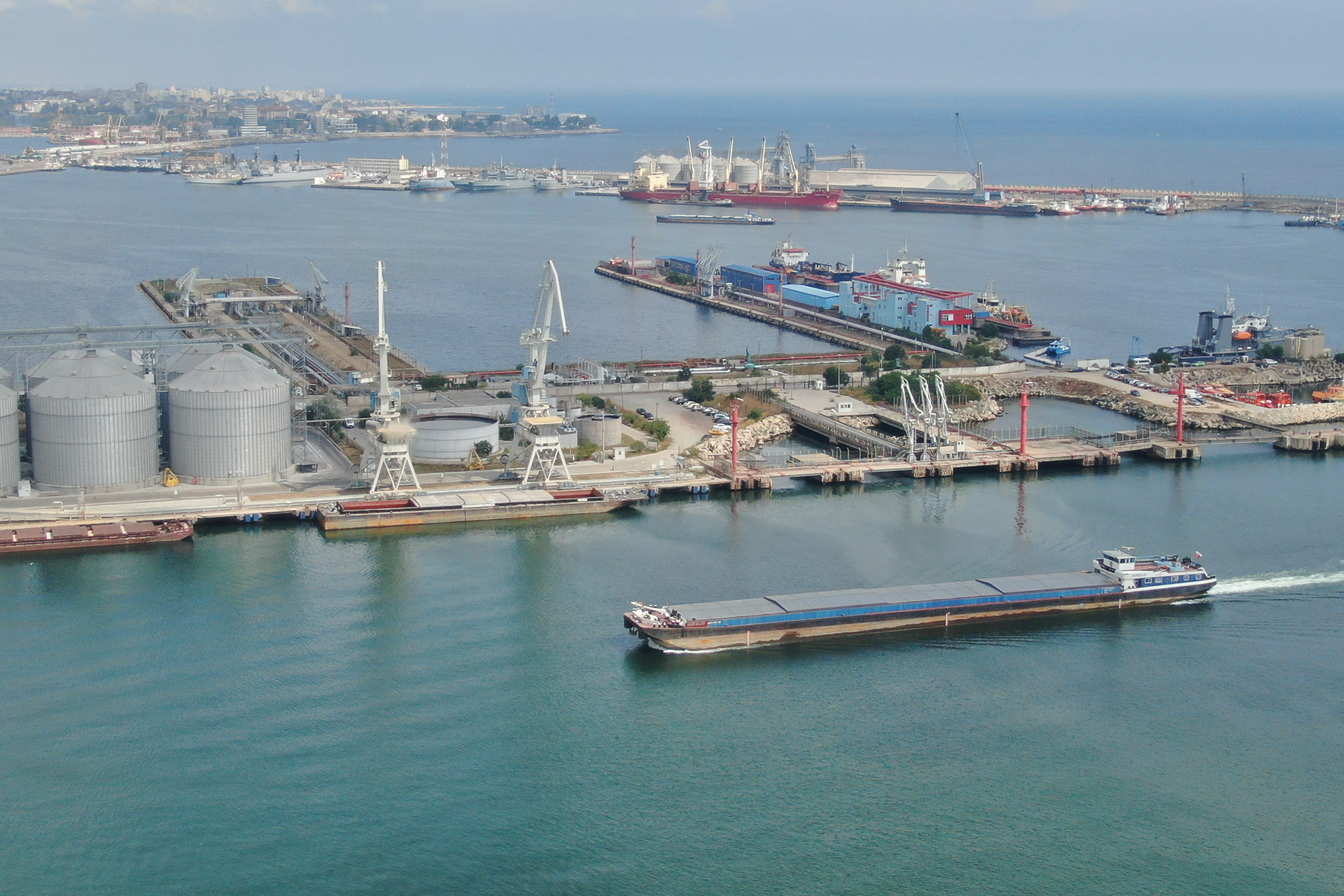
NATO is reportedly considering an expansion of its pipeline network eastward, a move that could position Romania as a significant logistics hub on the Black Sea. This potential development stems from NATO's strategic assessments regarding energy infrastructure and supply routes in the region. The alliance aims to enhance its logistical capabilities and ensure the secure flow of resources to its eastern flank. Romania's geographical location and existing infrastructure make it a strong candidate for such a role. The expansion would likely involve significant investment in new pipelines and related facilities. This initiative is part of broader NATO efforts to bolster its defense posture and operational readiness. The strategic importance of the Black Sea region for NATO operations and energy security is a key factor driving these considerations. Further details on the scope and timeline of the proposed expansion are expected to emerge as discussions progress within the alliance.
The potential expansion of NATO's pipeline network eastward represents a strategic recalibration of energy and logistics infrastructure to align with evolving geopolitical realities. By designating Romania as a potential Black Sea logistics hub, NATO seeks to optimize resource distribution and enhance operational readiness along its eastern frontier. This initiative underscores the increasing importance of resilient supply chains in a dynamic security environment. The long-term implications may involve fostering greater energy interdependency within the alliance while simultaneously addressing potential vulnerabilities. Evaluating this move requires considering the interplay between national energy policies, collective security objectives, and the broader economic landscape of the region over the next decade.
AI-generated to prompt reflection — not editorial opinion, not advice, not a statement of fact. How this works.