NATO Enhances Baltic Air Policing to Air Defense Mission, Granting Wider Powers
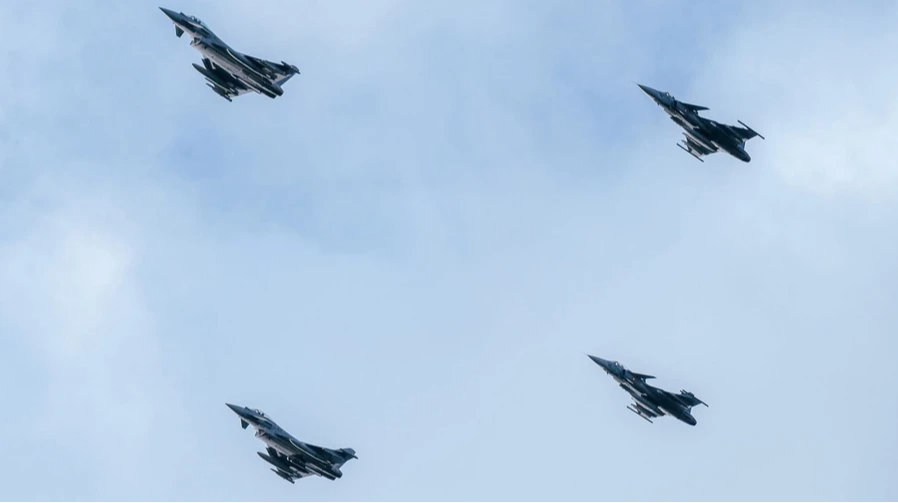
NATO has agreed to transform its long-standing air policing mission in the Baltic states into a full air defense mission. This significant shift will grant NATO military forces broader authorities and capabilities within the region's airspace. The enhanced mission is expected to bolster the collective defense posture of the Alliance in the Baltics. Previously, the mission primarily involved monitoring and identifying air traffic. The new mandate allows for more proactive engagement with unidentified or potentially hostile aerial targets. This upgrade reflects NATO's commitment to adapting its defense strategies in response to evolving security challenges. The expansion of powers signifies a more robust approach to safeguarding the airspace of Estonia, Latvia, and Lithuania. The specific details of the expanded authorities, including rules of engagement, are likely to be further defined.
The evolution of NATO's Baltic air policing mission from passive monitoring to active air defense represents a strategic adaptation to regional security dynamics. This enhancement signals a recalibration of deterrence postures, emphasizing a more assertive stance in safeguarding Alliance airspace. The expanded mandate, while aimed at increasing security, also introduces complexities in operational command and control, as well as potential escalatory risks. Future considerations will likely involve the precise definition of 'hostile' targets and the protocols for engagement, balancing the need for robust defense with de-escalation imperatives. This development underscores the ongoing tension between collective security needs and the maintenance of regional stability in a complex geopolitical environment.
AI-generated to prompt reflection — not editorial opinion, not advice, not a statement of fact. How this works.