NATO Expected to Escalate Response to Russian Airspace Violations
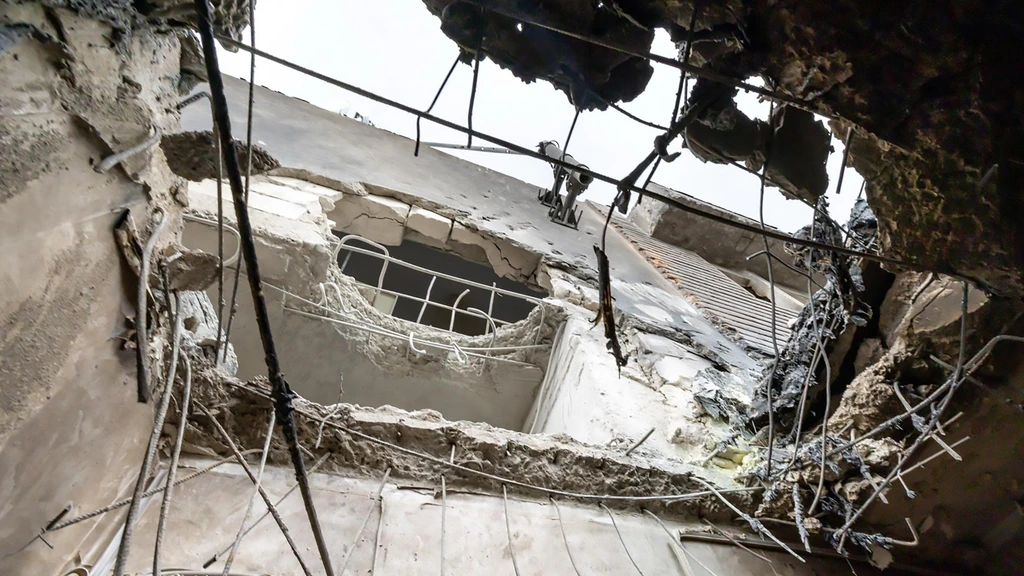
Following repeated Russian incursions into the airspace of Eastern NATO member states since the 2022 invasion of Ukraine, experts anticipate a shift in the alliance's response. Recent incidents in Romania and Poland, involving drones and fighter jets, have prompted a strategic reevaluation. Bart van den Berg, a researcher at the Clingendael Institute, suggests that NATO countries are growing weary of these "pinprick" actions by Russia, which often involve ambiguous intentions, making it difficult to determine if incursions are accidental or deliberate. Defense analyst Patrick Bolder notes that these actions align with Russia's historical strategy of employing aggression below the threshold of war. NATO officials, speaking anonymously, indicated a tactical change after nineteen Russian drones entered Polish airspace in September 2025, leading to the downing of four by Dutch F-35s. This followed earlier incidents where Romanian F-16s intercepted drones, and Russian jets entered Estonian airspace. In response to these events, NATO has focused on reinforcing its eastern flank through operations like Eastern Sentry, which specifically targets drone interception. This marks a transition from NATO air policing to a more robust air defense posture. Russia consistently denies responsibility for these incursions, attributing them to navigational errors or presenting other excuses, a tactic observed in past events like the MH17 incident. Experts believe Russia aims to sow fear and undermine support for Ukraine, or to test NATO's resolve and limits of intervention. While shooting down drones carries risks of collateral damage and civilian casualties, inaction is seen as potentially provoking further aggression and more severe consequences. NATO officials emphasize that decisions to engage intruding aircraft are made in real-time, based on threat assessments and intelligence, with the safety of populated areas often dictating a preference for tracking over interception. Despite these complexities, a proportional increase in NATO's response is expected, potentially including cyber, economic, or diplomatic measures, alongside enhanced air defense systems, as highlighted by discussions at the NATO summit in Ankara. The cost of intercepting drones, estimated at 1.5 million euros for Romania in one instance, underscores the need for more cost-effective neutralization methods.
The repeated Russian airspace incursions, characterized by experts as "pinprick" tactics, highlight a strategic challenge for NATO. Russia appears to be testing the alliance's response thresholds, leveraging ambiguity and plausible deniability to exert pressure without triggering a direct military confrontation. The anticipated shift from air policing to air defense signifies NATO's recognition of evolving threats, particularly from drones. However, the inherent risks associated with intercepting these incursions—potential collateral damage and escalation—necessitate a careful calibration of responses. Future NATO strategies will likely balance deterrence with de-escalation, exploring non-kinetic responses such as cyber and economic measures, alongside the development of more cost-effective air defense solutions. This situation underscores the systemic tension between maintaining territorial integrity and avoiding unintended escalation in a complex geopolitical environment, particularly in the context of a protracted conflict in a neighboring state.
AI-generated to prompt reflection — not editorial opinion, not advice, not a statement of fact. How this works.