NATO Explores Expanding Nuclear Deterrence Capabilities
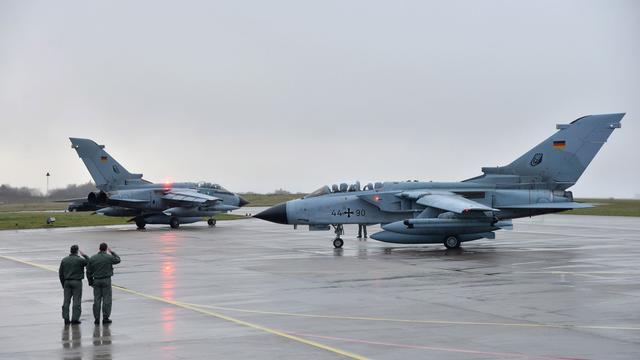
The North Atlantic Treaty Organization (NATO) is currently developing plans to enhance its nuclear deterrence capabilities. This initiative comes amid ongoing geopolitical tensions and a perceived need to strengthen the alliance's strategic posture. While specific details of the plans have not been fully disclosed, the focus is on ensuring the credibility and effectiveness of NATO's nuclear deterrent in the face of evolving security challenges. The discussions reportedly involve assessing current nuclear arsenals, delivery systems, and the overall strategic environment. The aim is to maintain a secure and stable deterrence framework that discourages potential aggression. Further deliberations are expected as NATO member states continue to analyze the strategic landscape and refine their collective defense strategies. The alliance emphasizes that these considerations are part of its ongoing adaptation to global security dynamics. The process is designed to ensure NATO remains a credible deterrent for all its members.
NATO's consideration of expanding its nuclear deterrence capabilities reflects a strategic response to perceived shifts in the global security environment. This move can be analyzed through the lens of deterrence theory, where the credibility and perceived readiness of nuclear forces are paramount. The alliance's actions are likely driven by evolving threat perceptions and a desire to maintain strategic parity or advantage. Such developments highlight the persistent role of nuclear weapons in international security architecture, even as discussions around disarmament continue. The long-term implications could involve an escalation in strategic competition, necessitating careful diplomatic engagement to manage risks and prevent unintended consequences. This approach underscores the complex interplay between military preparedness and diplomatic efforts in maintaining international stability.
AI-generated to prompt reflection — not editorial opinion, not advice, not a statement of fact. How this works.