NATO Leaders Back Ukraine's Long-Range Strikes on Russia to Force Talks
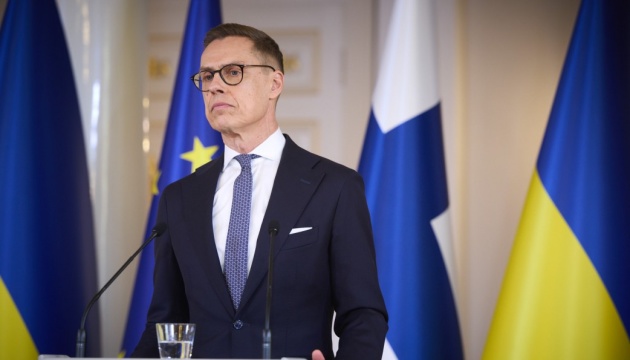
Leaders within NATO are reportedly supportive of Ukraine intensifying its drone strikes on Russian territory. This strategy is viewed by some within the alliance as a potential method to compel Moscow to re-engage in peace negotiations. The endorsement suggests a shift in thinking within NATO regarding the acceptable methods for Ukraine to exert pressure on Russia. It implies a belief that such actions could be instrumental in altering Russia's stance at the negotiating table. The specific details of this support, including the extent of NATO's involvement or endorsement, remain unspecified in the provided information. However, the sentiment indicates a willingness to explore more assertive tactics by Ukraine.
The reported NATO support for Ukraine's long-range strikes on Russian territory presents a complex strategic calculus. From a geopolitical perspective, such actions could be interpreted as an escalation, potentially drawing NATO into a more direct confrontation with Russia, despite the strikes being conducted by Ukraine. The underlying incentive for Russia to negotiate is predicated on the assumption that sustained damage or disruption on its own territory will outweigh the costs of continued conflict. However, this approach risks hardening Russian resolve, potentially leading to retaliatory measures that could destabilize the region further. The effectiveness of this strategy hinges on whether it creates a genuine incentive for negotiation or merely provokes a stronger, more entrenched response from Moscow, thus prolonging the conflict.
AI-generated to prompt reflection — not editorial opinion, not advice, not a statement of fact. How this works.