NATO Leaders Discuss Defense Spending Amid Ukraine War and US Tensions
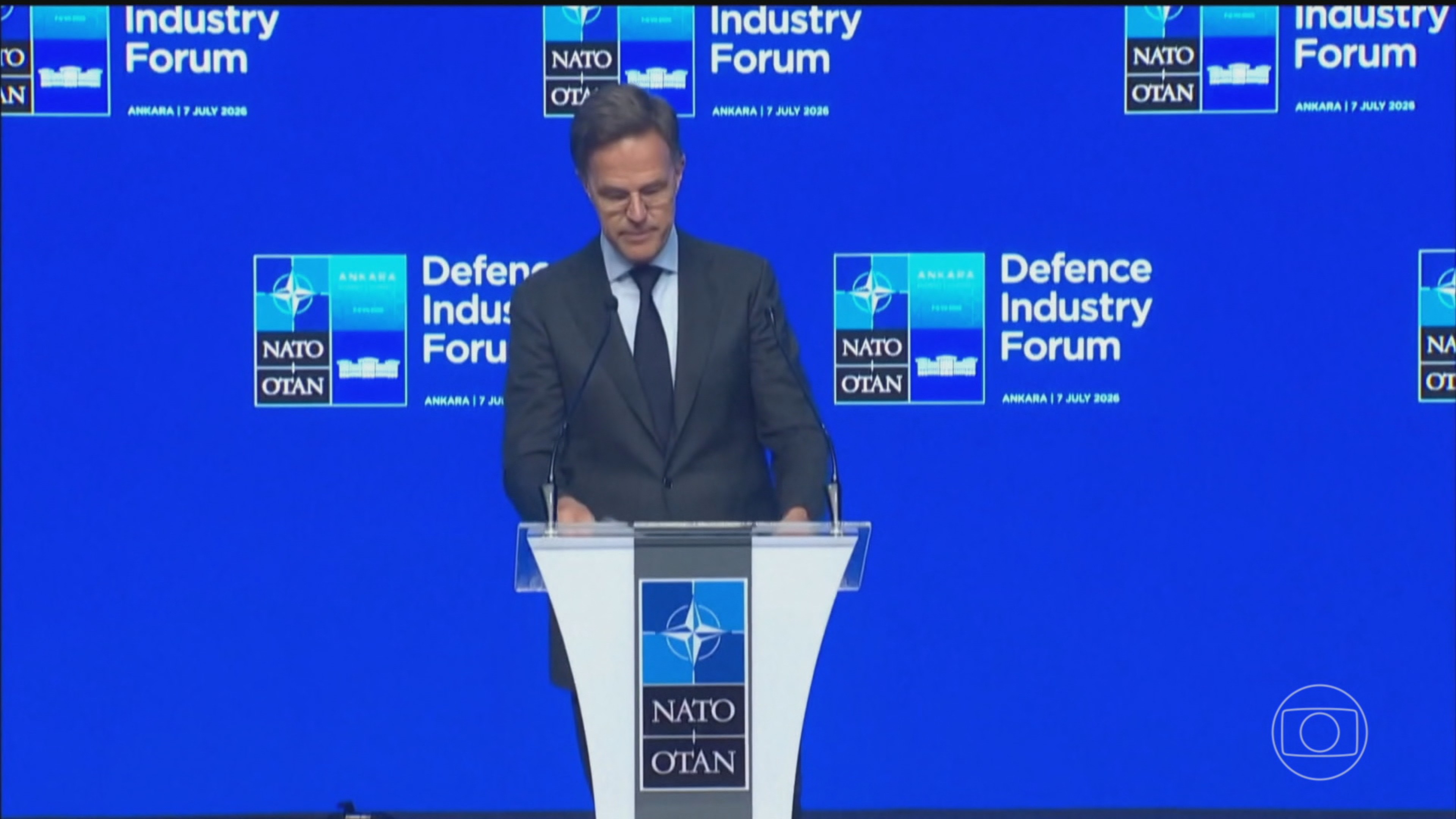
NATO leaders convened on Thursday, November 7th, to address escalating defense investments driven by the ongoing war in Ukraine. The meeting, however, also highlighted significant disagreements between former US President Donald Trump and European allies. A substantial arms race within NATO, the largest since the Cold War's conclusion, is reportedly underway, with the NATO Secretary-General urging a significant increase in military production. Under pressure from the conflict in Ukraine and demands from Washington, NATO member states are increasing their military expenditures. Donald Trump expressed disappointment with perceived insufficient support for operations against Iran, criticized the Italian Prime Minister, and reiterated threats to withdraw US troops from Europe. He also proposed that Greenland should be under US control, a notion rejected by Danish Prime Minister Mette Frederiksen. For Ukraine, a potential reduction in US support from Trump could have immediate repercussions, as recent Russian bombings have exposed a shortage of Patriot missile systems needed to defend Kyiv. Ukrainian President Volodymyr Zelensky advocated for Europe to develop its own missile defense capabilities and planned to discuss the deployment of additional Patriot systems with Trump. For nearly 80 years, European security has relied heavily on the United States, but Trump's statements suggest this reliance is no longer guaranteed, prompting Europe to reassess its own security responsibilities for the first time since 1945. In the past year alone, the alliance has invested $37 billion to expand its defense industry.
The current geopolitical climate, marked by the Ukraine conflict and evolving US foreign policy stances, is compelling a strategic re-evaluation of defense commitments among NATO members. This period necessitates a shift from reliance on external security guarantees towards fostering indigenous defense industrial capacities. The substantial increase in defense spending and the push for greater European self-sufficiency in military systems reflect a systemic response to perceived geopolitical instability and a potential recalibration of transatlantic security architectures. Future security frameworks will likely be shaped by the ability of nations to balance collective defense needs with national industrial development, particularly in advanced defense technologies, as the global strategic landscape continues its dynamic transformation.
AI-generated to prompt reflection — not editorial opinion, not advice, not a statement of fact. How this works.