NATO Leaders Discuss Increased Arms Production Amidst Russian Threat
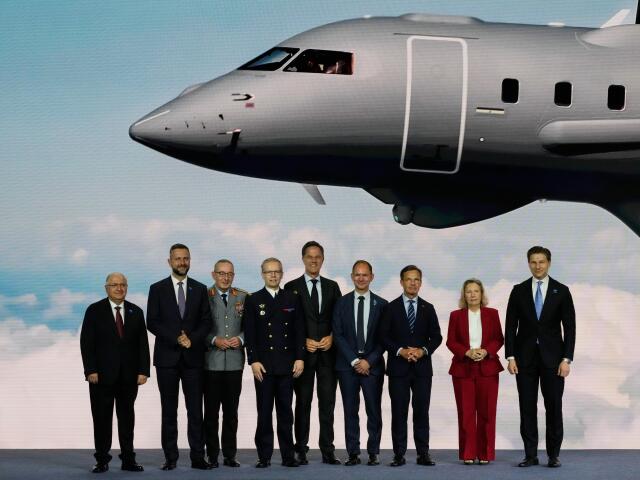
European industry must ramp up weapons production to enable the European Union to defend itself against a potential Russian attack, stated Czech President Petr Pavel. NATO leaders engaged in discussions on this critical issue during a summit held in Ankara. The urgency of the situation was underscored by the sentiment that the "buzz of machines must turn into a roar," as expressed by Rutte, emphasizing the need for a significant increase in military manufacturing capacity. The leaders convened to address the evolving security landscape and strategize effective responses to ongoing geopolitical challenges. The summit aimed to foster a unified approach among member states regarding defense readiness and industrial mobilization. Discussions likely covered specific production targets, investment strategies, and collaborative efforts to bolster the defense sector across the alliance. The focus remains on enhancing the EU's defensive capabilities in light of perceived threats. This initiative highlights a strategic shift towards greater self-reliance and preparedness within the European security framework.
The call for increased arms production by European leaders reflects a strategic recalibration in response to perceived geopolitical instability and potential military threats. This shift suggests a move away from relying solely on existing stockpiles or external support towards building a more robust and self-sufficient defense industrial base. The underlying incentive structure appears to be a re-evaluation of risk assessment, prioritizing national and regional security through enhanced military readiness. From a systems perspective, this pivot necessitates significant investment in manufacturing infrastructure, research and development, and workforce training. The long-term challenge will be balancing this increased defense spending with other crucial societal needs and ensuring sustainable economic models that can support a prolonged period of heightened defense output. The next decade's focus on technological advancement, particularly in AI and autonomous systems, will likely influence the nature and scale of this production, demanding adaptability and innovation from the defense industry.
AI-generated to prompt reflection — not editorial opinion, not advice, not a statement of fact. How this works.