Nato Must Not Be Naive About China's Growing Military Power, Says Secretary General Rutte
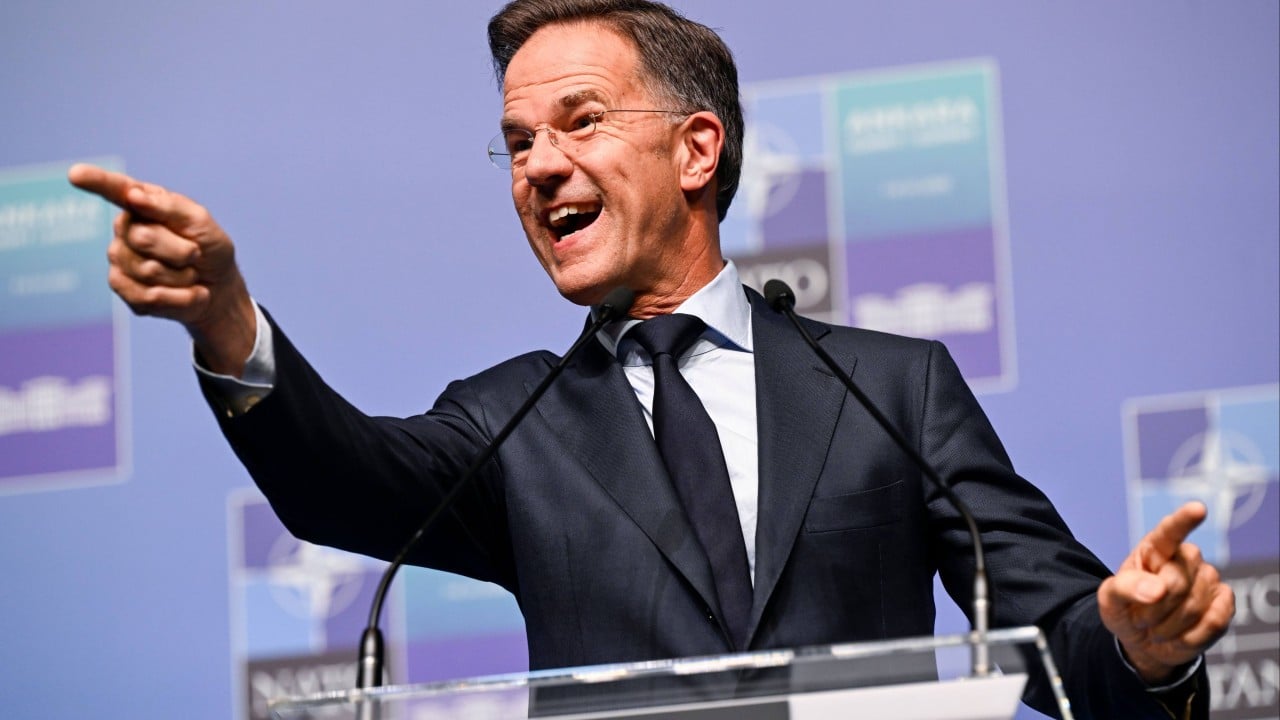
Nato Secretary General Mark Rutte stated that the alliance cannot afford to be "naive" regarding China's escalating military capabilities. He emphasized that the Indo-Pacific and European conflict zones are increasingly interconnected. Rutte pointed to China's backing of Russia's war in Ukraine as evidence of this growing link. These remarks were made during a press conference held on Monday, preceding the Nato summit scheduled to take place in Ankara, Turkey. The Secretary General was responding to inquiries concerning a recent incident where a Chinese nuclear-powered submarine reportedly launched a test missile in the Pacific Ocean. Rutte's comments underscore a shift in Nato's perception of China, moving from a purely economic partner to a significant security consideration.
The evolving geopolitical landscape necessitates that organizations like Nato reassess their strategic postures in light of shifting global power dynamics. The interconnectedness of regional conflicts, such as the Ukraine war and potential flashpoints in the Indo-Pacific, suggests that traditional security frameworks may require adaptation. Examining the incentives driving state behavior, including military modernization and alliance formation, is crucial for understanding future stability. A forward-looking approach involves anticipating the implications of technological advancements and their impact on international relations over the next decade, fostering a more resilient and adaptable global security architecture.
AI-generated to prompt reflection — not editorial opinion, not advice, not a statement of fact. How this works.