NATO's Shifting Alliances: A Departure from Western Dominance?
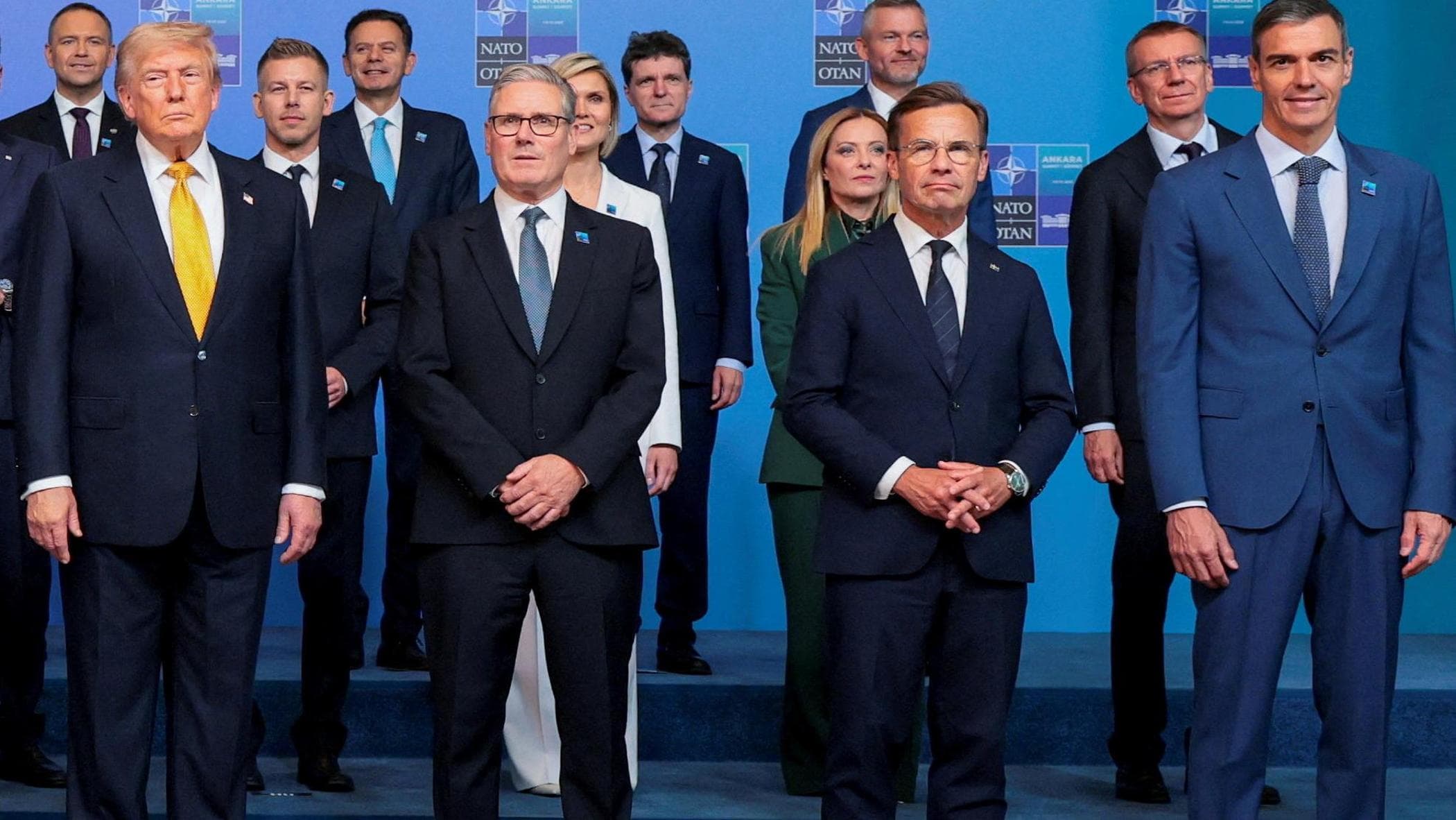
The headline "NATO without the West" suggests a significant shift or reevaluation within the North Atlantic Treaty Organization. This implies a potential divergence from the traditional Western-centric structure and decision-making processes that have historically defined the alliance. Such a change could indicate a broadening of NATO's geopolitical scope, possibly incorporating or prioritizing the interests of non-Western member states or partners. Alternatively, it might reflect internal debates or external pressures that challenge the established Western leadership within the organization. The implications could range from altered strategic priorities to a fundamental reshaping of NATO's role in global security. Further context would be needed to understand the specific nature of this "departure" and its potential consequences for international relations and the alliance's future.
The notion of 'NATO without the West' prompts an examination of the alliance's evolving geopolitical landscape. This framing may highlight a potential recalibration of influence, where non-Western perspectives or strategic imperatives gain greater traction within NATO's decision-making apparatus. Such a dynamic could stem from shifting global power balances, the emergence of new security challenges, or a desire to foster broader international cooperation. Analyzing this trend requires considering the inherent tension between NATO's foundational principles as a Western security pact and the imperative to adapt to a multipolar world. The long-term viability and strategic effectiveness of the alliance may depend on its capacity to integrate diverse viewpoints while maintaining cohesion and pursuing its core security objectives.
AI-generated to prompt reflection — not editorial opinion, not advice, not a statement of fact. How this works.