Nato Summit: Beyond Security Free-Riders
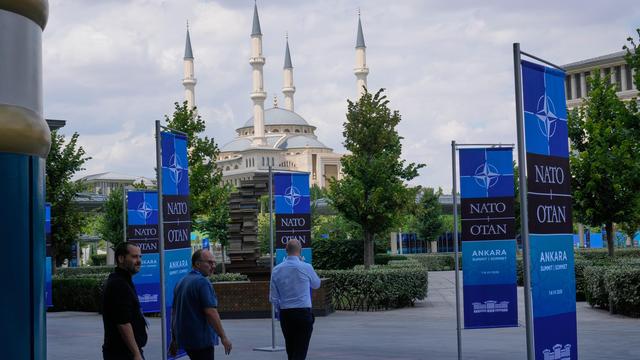
Ahead of the Nato summit, former US President Donald Trump criticized European nations for their insufficient defense spending. Trump argued that European allies are not contributing enough to collective security, implying they are benefiting from the security umbrella provided by the United States without adequately investing in their own defense capabilities. This criticism highlights a long-standing debate within the alliance regarding burden-sharing.
However, the article suggests that Trump's assessment is flawed, despite acknowledging that there are valid reasons for criticism. The piece aims to delve deeper into the complexities of European defense efforts and the nuances of security contributions beyond mere financial outlays. It implies that a simplistic view focusing solely on spending targets overlooks other significant contributions and strategic considerations within the Nato alliance.
The recurring debate over defense spending within Nato, often amplified by figures like Donald Trump, centers on the perceived imbalance in contributions among member states. While financial targets for defense expenditure are a quantifiable metric, they may not fully capture the multifaceted nature of security commitments. European nations often contribute significantly through troop deployments, intelligence sharing, logistical support, and hosting military infrastructure, which are crucial for collective defense but harder to quantify in budget terms. Future security architectures will likely require a more holistic approach to assessing contributions, considering a wider range of capabilities and strategic investments beyond immediate defense budgets, especially in an era of evolving geopolitical threats and technological advancements.
AI-generated to prompt reflection — not editorial opinion, not advice, not a statement of fact. How this works.