NATO Summit: Crisis Management Outweighs Institutional Loyalty
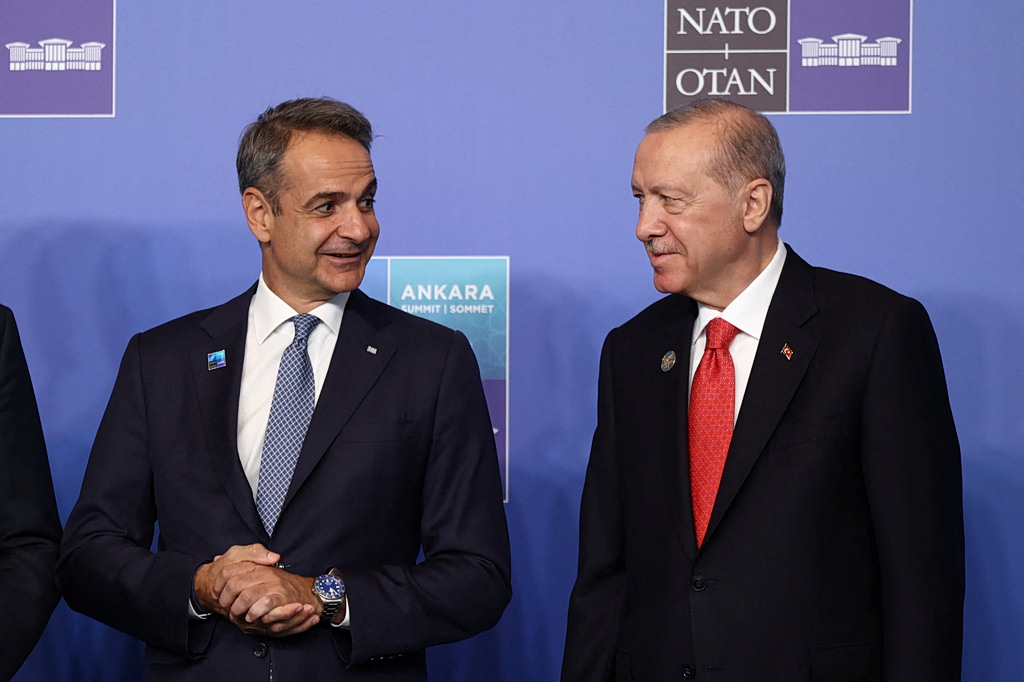
The recent NATO Summit in Ankara highlighted a shift in how member states' strategic value is assessed. It is no longer solely based on institutional consistency or adherence to alliance directives. Instead, a member's contribution to crisis management and security production has become the primary metric. This perspective suggests that a nation's practical impact in volatile situations carries more weight than its formal alignment with NATO's established guidelines. The summit's proceedings indicated that NATO is increasingly prioritizing tangible contributions to regional and global security over mere compliance. This strategic re-evaluation could influence future alliance decisions regarding resource allocation and political support for member nations. The emphasis on crisis management implies a proactive approach to security challenges, where demonstrable capability is valued above all else. This could lead to a more dynamic and responsive alliance structure. The summit's outcomes suggest a pragmatic approach to NATO's future, focusing on effectiveness in real-world security scenarios.
The Ankara NATO Summit appears to signal a strategic recalibration within the alliance, prioritizing demonstrable crisis management capabilities over strict institutional adherence. This shift suggests an evolving understanding of strategic value, potentially driven by the increasing complexity and unpredictability of global security environments. By emphasizing contributions to security production, NATO may be seeking to enhance its operational effectiveness and adaptability in the face of emerging threats. This focus on practical impact could foster a more meritocratic system within the alliance, where tangible contributions are rewarded. However, it also raises questions about the balance between alliance solidarity and the pursuit of individual member state interests in crisis situations. The long-term implications may involve a more fluid and performance-based alliance structure, necessitating clear frameworks for evaluating and recognizing diverse forms of security contributions.
AI-generated to prompt reflection — not editorial opinion, not advice, not a statement of fact. How this works.