NATO Summit: Erdogan Achieves Strong Message, But Without Major Concessions
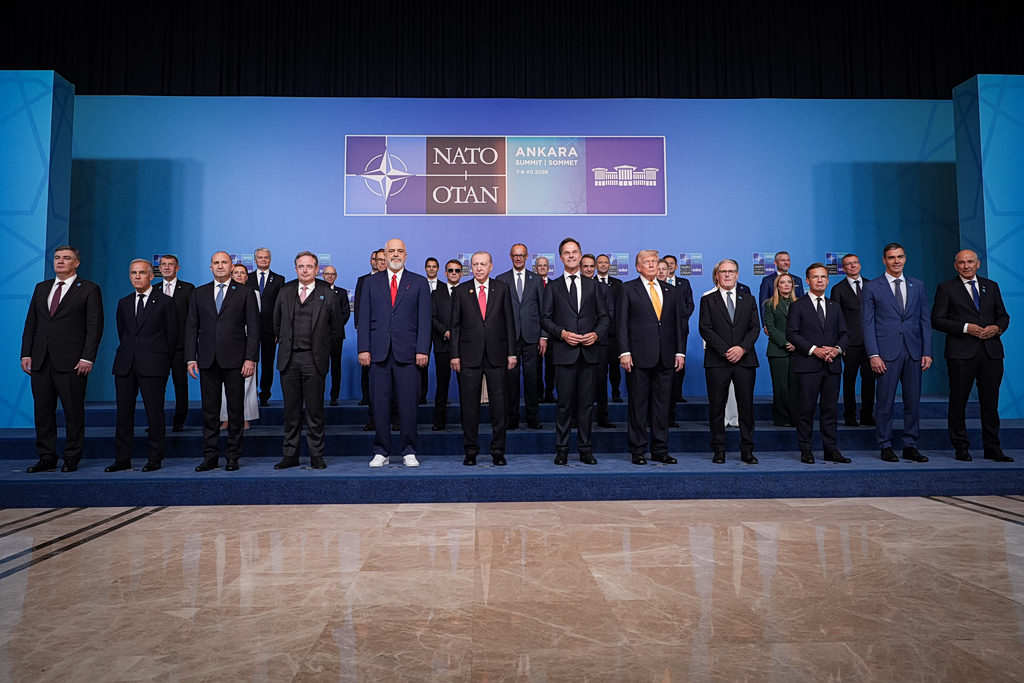
Turkish President Recep Tayyip Erdogan successfully conveyed a message of strength at the recent NATO Summit, targeting both domestic and international critics. While the summit provided a platform for Erdogan to assert his influence, he did not secure any significant concessions or major 'gifts' from the alliance. The Turkish leader aimed to demonstrate his resolve to those who question or oppose him, both within Turkey and on the global stage. The outcome suggests a strategic positioning by Erdogan, leveraging the international forum to bolster his image and political standing. Despite the lack of tangible gains, the summit served as a crucial opportunity for Erdogan to project an image of authority and resilience. His participation underscored Turkey's continued role within the alliance, even as he navigated complex geopolitical dynamics. The event highlighted Erdogan's adeptness at using international gatherings for domestic political messaging.
President Erdogan's participation in the NATO Summit appears to have been strategically leveraged to project domestic strength and international resolve, a common tactic for leaders facing internal or external challenges. The emphasis on sending a 'message of power' without securing major concessions suggests a focus on symbolic victories and political signaling over tangible policy shifts. This approach aligns with incentive structures that prioritize public perception and nationalistic sentiment, particularly in the lead-up to potential domestic political realignments. From a future-oriented perspective, such diplomatic maneuvering, while effective in the short term for bolstering a leader's image, may not fundamentally alter complex geopolitical dynamics or address underlying systemic issues within the alliance or regional stability. The long-term efficacy of projecting strength without concrete policy achievements remains a key consideration in the evolving global landscape.
AI-generated to prompt reflection — not editorial opinion, not advice, not a statement of fact. How this works.