NATO Summit: European Armies Grow Stronger Amidst US Disengagement, But Remain Dispersed
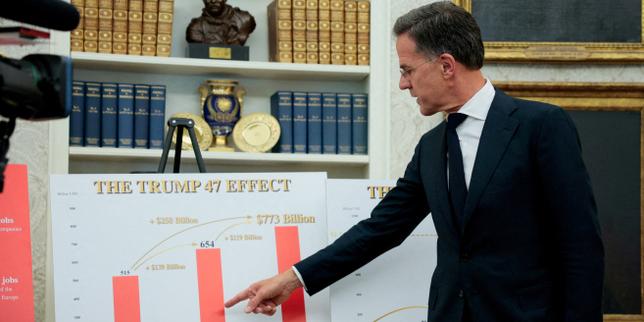
European leaders of the Atlantic Alliance convened in Ankara on July 7th and 8th, aiming to showcase their enhanced defense capabilities in response to potential threats. While efforts are underway to bolster military strength, European nations are still struggling to coordinate these advancements effectively. The summit highlighted a growing European capacity to act independently, driven by concerns over American disengagement from the continent's security. Despite increased investment and a shared desire to enhance collective defense, the lack of unified strategy and integrated command structures remains a significant challenge. This dispersed approach risks diluting the impact of increased spending and hindering the development of a truly cohesive European defense force capable of deterring aggression.
The gathering in Ankara underscores a strategic pivot for European defense, prompted by evolving transatlantic security dynamics and a perceived reduction in U.S. commitment. While increased national defense spending and capability development are positive steps, the persistent challenge of achieving strategic coherence and operational integration among European NATO members warrants attention. Future effectiveness will likely depend on overcoming national procurement differences and fostering common defense planning and interoperability. This period presents an opportunity to re-evaluate burden-sharing and strategic autonomy within the alliance, potentially leading to a more resilient, albeit complex, European security architecture over the next decade.
AI-generated to prompt reflection — not editorial opinion, not advice, not a statement of fact. How this works.