NATO Summit in Ankara Focuses on Military Industry Growth Amid US Disengagement Concerns
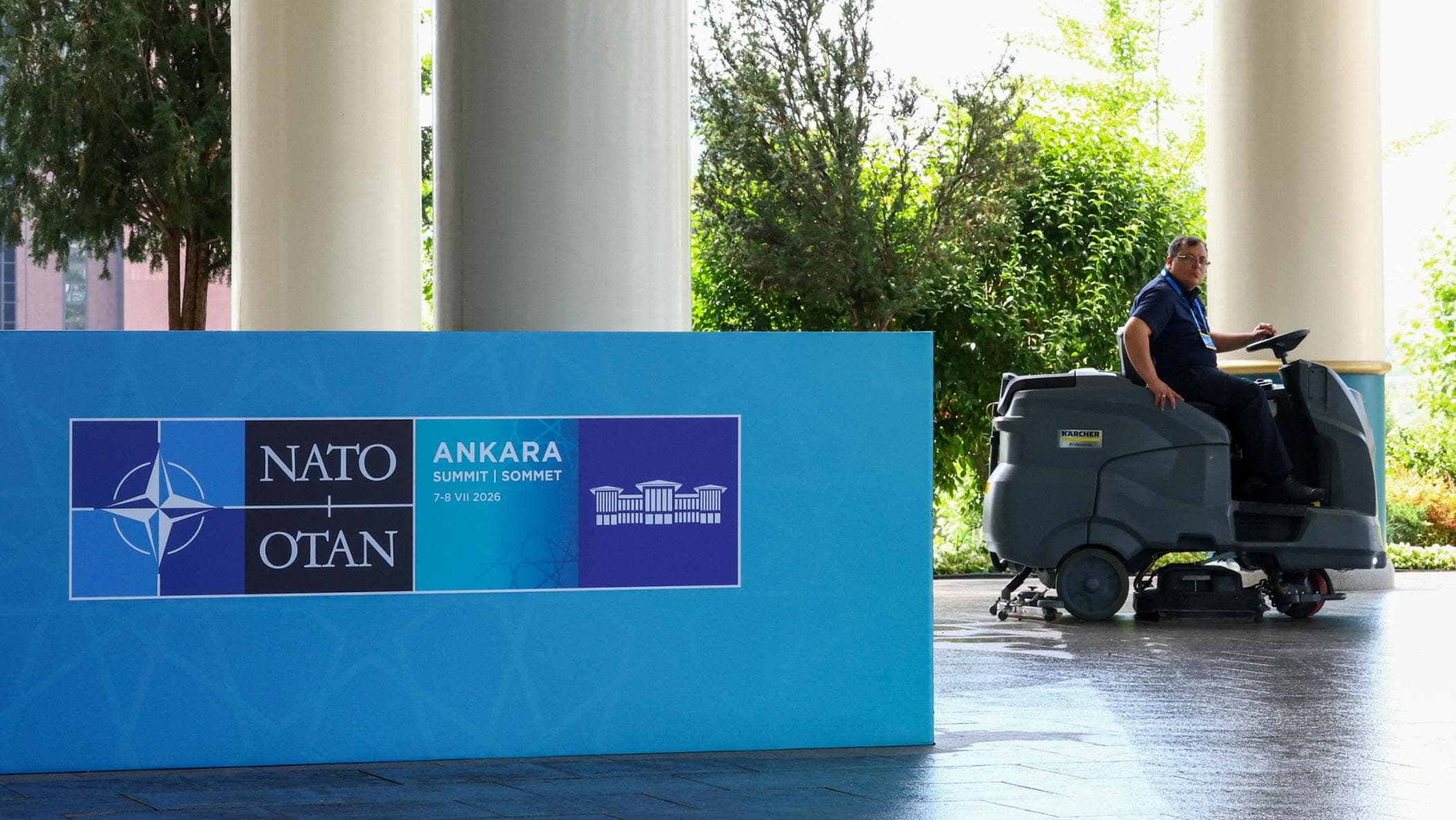
Leaders of the North Atlantic Treaty Organization (NATO) are convening in Ankara for a two-day summit. The primary focus of the discussions will be the growth of the military industry. A significant undercurrent at the meeting is the ongoing tension surrounding the United States' potential disengagement from the alliance. This concern is amplified by the unpredictable stance of President Donald Trump regarding NATO's collective security commitments. The summit aims to address these strategic shifts and their implications for European defense.
Discussions are expected to cover increased defense spending and enhanced cooperation among member states to fill any perceived gaps. The leaders will also explore ways to strengthen the alliance's resilience and adapt to evolving geopolitical challenges. The economic and strategic importance of a robust military industry for collective security will be a central theme. The outcome of these talks could shape NATO's future direction and its relationship with the United States.
The NATO summit's focus on military industry growth, juxtaposed with concerns over US disengagement and President Trump's rhetoric, highlights a critical juncture for the alliance. This situation presents a complex interplay of geopolitical pressures and economic incentives. Member states face the challenge of balancing increased defense investments against domestic priorities, while simultaneously navigating the strategic uncertainty stemming from a key ally's potential recalibration of its commitments. The imperative for collective security necessitates a proactive approach to burden-sharing and strategic alignment, potentially fostering greater European defense autonomy. However, the long-term viability of such a strategy hinges on sustained political will and the ability to adapt to a rapidly changing global landscape, particularly in light of emerging technological paradigms and shifting power dynamics.
AI-generated to prompt reflection — not editorial opinion, not advice, not a statement of fact. How this works.