Nato Summit in Ankara: Key Challenges Ahead
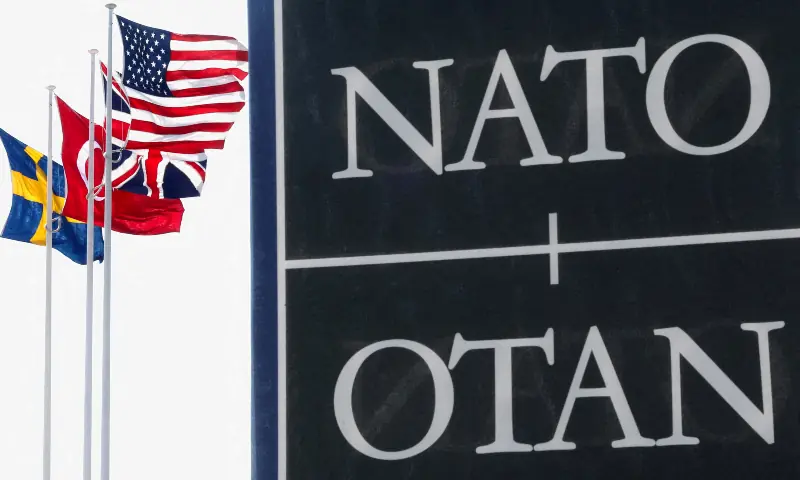
Leaders of the North Atlantic Treaty Organization (Nato) will convene in Ankara on July 7-8 for a summit addressing critical challenges. A primary concern is maintaining unity and ensuring continued US commitment to the alliance's mutual defense clause, especially given past tensions arising from US President Donald Trump's critiques and demands. Nato's Secretary General, Mark Rutte, has worked to mitigate these strains by emphasizing European allies' contributions. The summit will also focus on the ongoing "burden-shifting" initiative, where European nations are increasingly expected to shoulder more responsibility for continental security as the US pivots resources towards the Indo-Pacific. While European allies and Canada have pledged significant increases in defense spending, aiming for 5% of GDP, meeting these targets presents political and practical hurdles. A notable increase of 20% in real terms was observed in 2025, but not all members are on track. A significant challenge lies in translating increased investment into tangible military capabilities efficiently, as production timelines for new equipment remain lengthy. Officials are pushing for accelerated industrial output to meet urgent needs. Furthermore, Nato leaders will reaffirm their stance on Russia as a persistent threat to Euro-Atlantic security, despite Russia's current economic difficulties. Rutte has cautioned against underestimating Russia's substantial defense budget. Finally, the summit will address the continued support for Ukraine, with European nations channeling aid through various mechanisms. Sustaining this financial commitment amidst competing national budget demands and concerns about equitable contributions remains a key challenge.
The upcoming Nato summit in Ankara highlights a strategic recalibration driven by evolving geopolitical pressures and internal alliance dynamics. The "burden-shifting" emphasis reflects a broader trend of regional security actors assuming greater responsibility, potentially leading to a more multi-polar defense landscape within the alliance. This transition, however, necessitates robust industrial capacity and efficient procurement to translate financial commitments into effective deterrence, a challenge exacerbated by long production cycles. The persistent focus on Russia underscores the enduring security concerns in Eastern Europe, while the ongoing support for Ukraine tests the alliance's ability to sustain long-term commitments amidst competing domestic priorities. Navigating these complex interdependencies will be crucial for Nato's future relevance and operational effectiveness in the coming decade.
AI-generated to prompt reflection — not editorial opinion, not advice, not a statement of fact. How this works.