NATO Summit in Ankara Signals Major Shift in European Defense Responsibility
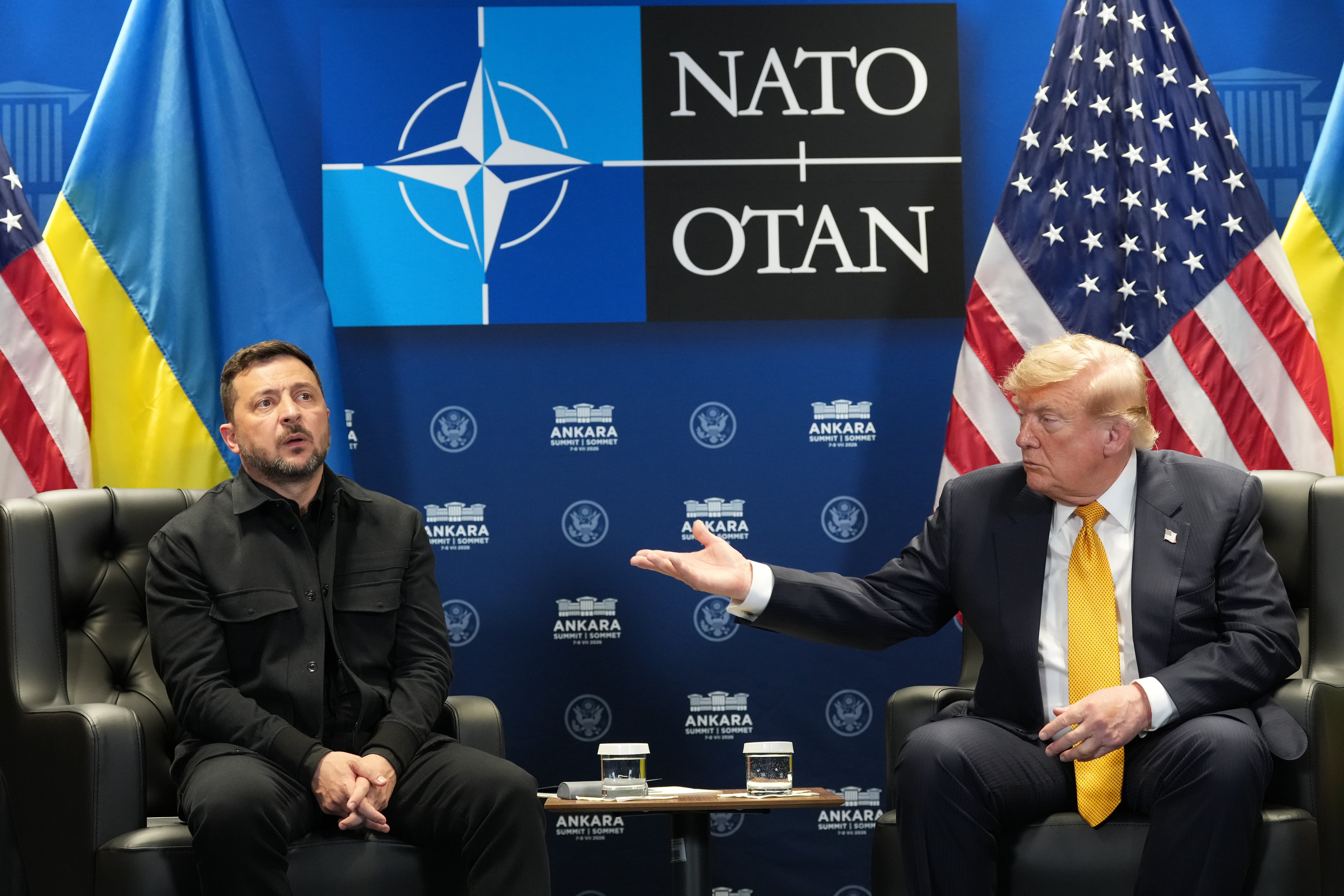
The recent NATO summit in Ankara, Turkey, highlighted a significant shift in the alliance's strategic direction, largely driven by the United States' desire for Europe to assume greater responsibility for its own defense. U.S. President Donald Trump's administration is pushing for a transformation, dubbed NATO 3.0, where European nations will focus on conventional deterrence while the U.S. maintains its nuclear umbrella, concentrating on other global priorities. NATO Secretary General Mark Rutte emphasized the urgent need for a defense industrial revolution in Europe to rebuild capabilities diminished by years of reduced military spending. He called upon major European defense contractors to commit to substantial investments and contracts to address chronic production deficits, crucial for countering Russian aggression and achieving greater defensive autonomy. The ongoing war in Ukraine has underscored the immense consumption of ammunition and equipment in modern conventional conflicts. The summit reaffirmed the commitment made in The Hague to have European partners dedicate 5% of their Gross Domestic Product (GDP) to defense by 2035, with 3.5% for basic military expenditure and 1.5% for infrastructure. Rutte also noted that European spending on U.S. weaponry contributes significantly to American employment. This transformation signifies a move from a Europe protected by the U.S. to one capable of independently sustaining its conventional defense, beyond the essential strategic capabilities and nuclear assurance provided by the United States. The final declaration from Ankara, reaffirming collective defense under Article 5, requires the European Union to develop long-term defense strategies, considering the rise of technological warfare, autonomous systems, and artificial intelligence. While the U.S. remains committed to NATO, it is actively encouraging a fundamental restructuring towards reduced military reliance on Washington and increased European accountability.
The Ankara summit reflects a strategic recalibration within NATO, driven by evolving geopolitical pressures and a reevaluation of burden-sharing. The U.S. initiative to foster greater European defense autonomy, while framed as a necessary adaptation to global challenges and a response to historical spending patterns, presents a complex trade-off. European nations must balance increased defense investment with existing social priorities and the potential for a fragmented European defense industrial base. The push for a "defense industrial revolution" raises questions about coordination, competition, and the long-term sustainability of such an endeavor within the broader context of technological advancement and potential future conflicts. This strategic pivot necessitates careful consideration of how enhanced European capabilities will integrate with existing NATO structures and U.S. commitments, particularly in an era increasingly defined by AI and autonomous systems, to ensure cohesive and effective collective security.
AI-generated to prompt reflection — not editorial opinion, not advice, not a statement of fact. How this works.
