NATO Summit in Ankara Signals Strategic Shift Beyond Russia
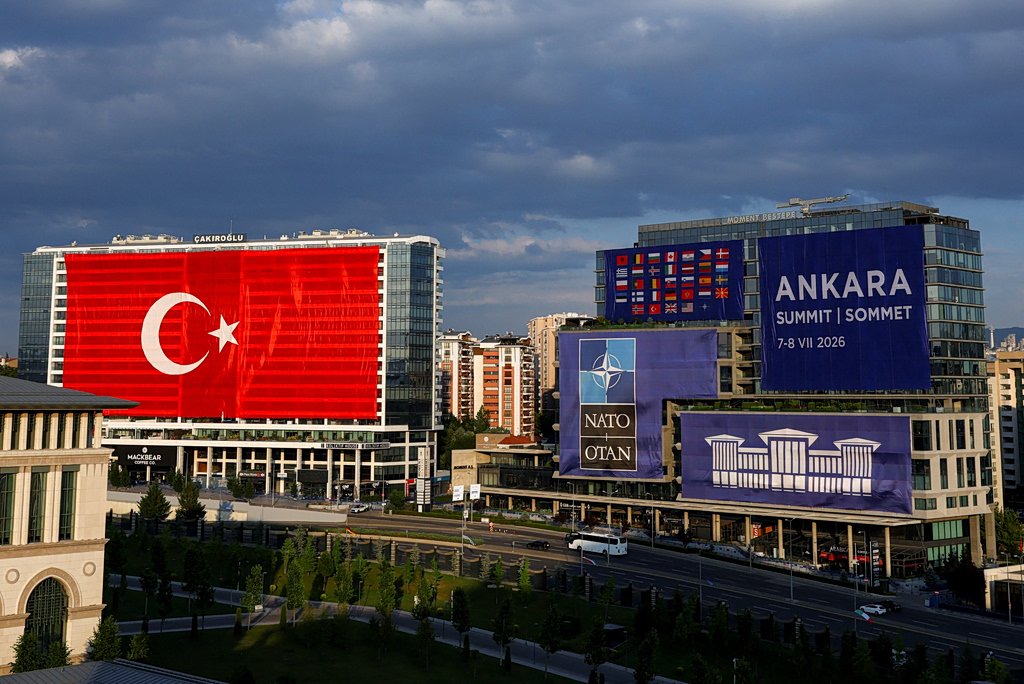
The upcoming NATO Summit in Ankara is poised to reflect a significant strategic evolution within the Alliance, moving beyond its traditional focus on containing the Russian threat. This shift, developing over recent years, prioritizes the safeguarding of maritime communication lines and energy corridors. The summit is not merely a routine gathering but an indicator of NATO's adapting geopolitical doctrine. While specific decisions remain to be seen, the underlying strategic reorientation is already evident. This broader scope acknowledges the interconnectedness of global security and economic stability. The focus on vital sea lanes and energy routes underscores a recognition of new challenges and potential vulnerabilities. NATO's agenda is expanding to encompass a wider range of threats and interests. The summit in Ankara will likely solidify these new strategic priorities for the Alliance.
The forthcoming NATO summit in Ankara signifies a strategic pivot for the Alliance, broadening its security calculus beyond the containment of Russia to include the protection of critical maritime infrastructure and energy routes. This evolution suggests a response to increasingly complex geopolitical and economic interdependencies. By emphasizing the security of sea lanes and energy corridors, NATO appears to be addressing potential vulnerabilities that could impact member states' stability and prosperity. This strategic adjustment reflects a forward-looking approach, anticipating future challenges in a dynamic global environment. The summit's outcomes will likely shape NATO's operational priorities and resource allocation for the next decade, underscoring the interconnectedness of defense and economic security in the modern era.
AI-generated to prompt reflection — not editorial opinion, not advice, not a statement of fact. How this works.