NATO Summit in Turkey: Seeking the "Spirit of Ankara"
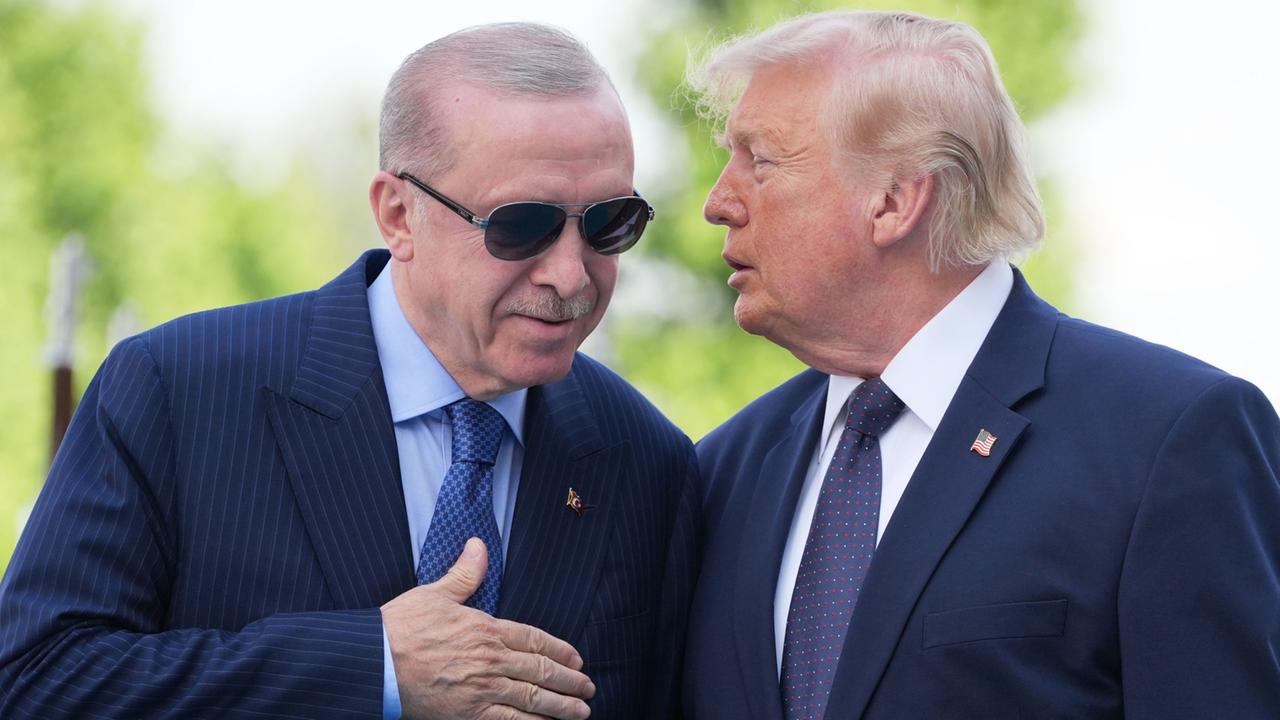
German Chancellor Merz is attending the NATO summit in Turkey, expressing hope for a positive "Spirit of Ankara" to emerge from the discussions. This spirit likely refers to a renewed sense of unity and cooperation within the alliance. However, the summit faces challenges, as highlighted by US President Trump's critical remarks. Trump has reportedly voiced concerns to NATO partners, questioning the mutual defense commitments within the alliance and the extent of support each member provides to others. His statements suggest a potential divergence in perspectives on burden-sharing and the core purpose of NATO among key member states. The summit's success may hinge on its ability to address these differing viewpoints and reaffirm the collective security objectives that underpin the alliance.
The NATO summit in Ankara presents a critical juncture for the alliance, particularly in light of differing perspectives on mutual defense commitments. Chancellor Merz's invocation of a "Spirit of Ankara" suggests a desire to foster renewed solidarity and strategic alignment. Conversely, President Trump's reported questioning of alliance responsibilities highlights underlying tensions regarding burden-sharing and the perceived value of collective security. This dynamic reflects a broader debate about the future of transatlantic relations and the evolving geopolitical landscape. The summit's outcome will likely influence NATO's strategic direction over the next decade, impacting its capacity to address emerging global security challenges and maintain its relevance in an increasingly complex international environment. Navigating these divergent interests will be key to preserving alliance cohesion and effectiveness.
AI-generated to prompt reflection — not editorial opinion, not advice, not a statement of fact. How this works.