NATO Summit in Turkey: Ukraine War Dominates Amidst Internal Tensions
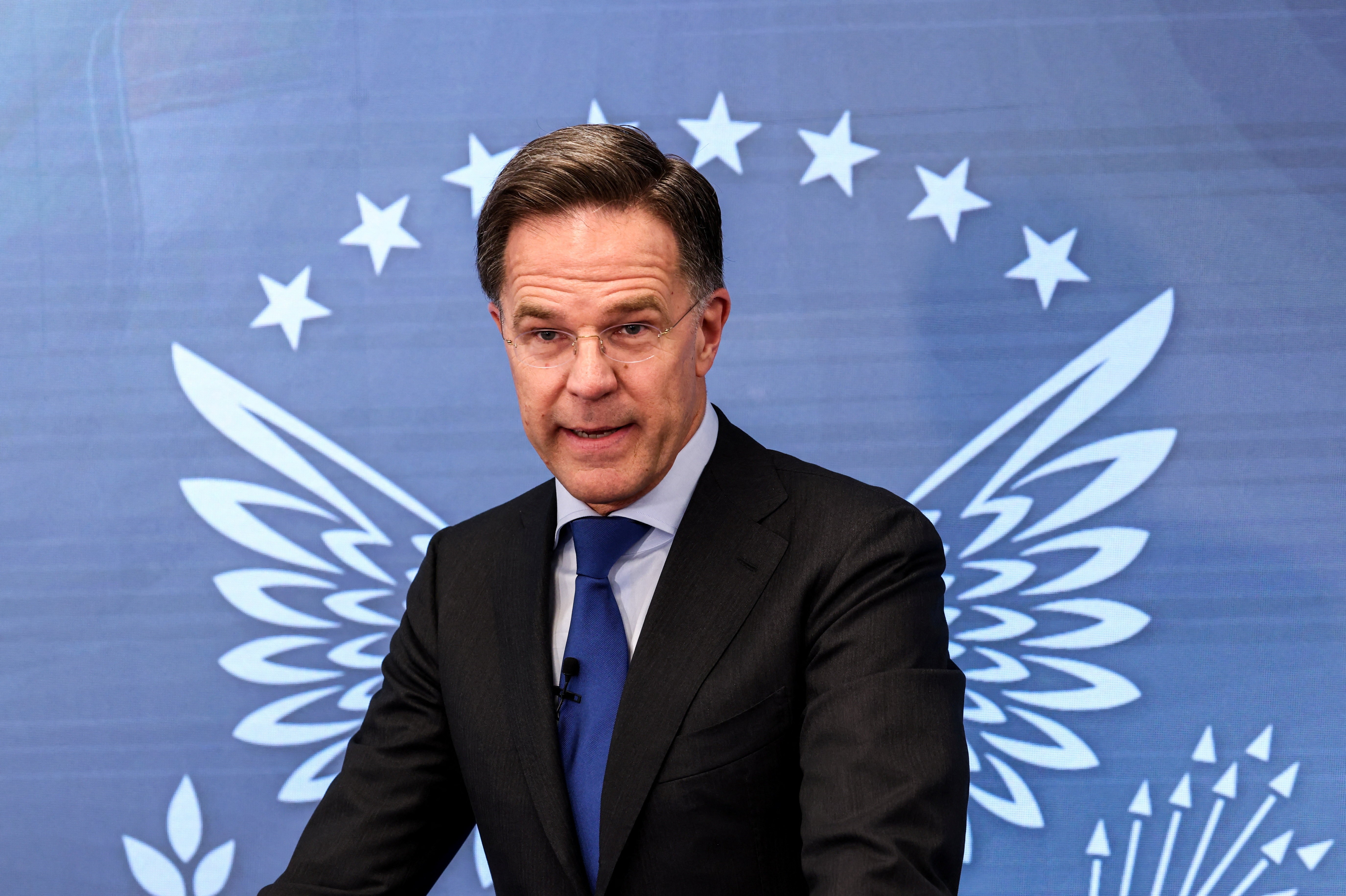
The NATO summit commenced in Ankara, Turkey, on Tuesday, July 7th, with the ongoing war in Ukraine as a primary focus. Ukrainian President Volodymyr Zelensky is slated to meet with former U.S. President Donald Trump to discuss ending the conflict, a priority for the U.S. administration. Trump also intends to address the issue with Russian President Vladimir Putin. Zelensky previously expressed frustration over the delayed delivery of promised American Patriot air defense systems, following a recent deadly Russian missile and drone attack on Kyiv. Ukraine's air force reported failing to intercept any of the 23 ballistic missiles launched by Moscow, highlighting a critical shortage of interceptors. President Zelensky criticized the insufficient production capacity for air defense systems needed to protect civilians from ballistic terror. NATO Secretary-General Mark Rutte announced defense contracts worth tens of billions of dollars to bolster the alliance's capabilities. However, the summit is overshadowed by internal tensions, particularly concerning Donald Trump's critical stance on NATO. Trump has labeled the U.S. relationship with the alliance as "ridiculous" and "unilateral," demanding greater reciprocity from allies and increased defense spending. He has also engaged in public disputes with Italian Prime Minister Giorgia Meloni, including sharing a digitally manipulated photo of her. Trump is also expected to meet with Syrian interim president Ahmed al Sharaa during the summit.
The NATO summit convenes amidst significant geopolitical pressures, with the Ukraine conflict and internal alliance dynamics taking center stage. The U.S.'s commitment to European security and the efficacy of its military aid, particularly advanced systems like the Patriot, are under scrutiny, influenced by both the battlefield realities in Ukraine and evolving U.S. foreign policy postures. The summit's success will likely hinge on balancing immediate security needs with long-term strategic alignment among member states, especially in navigating the complex relationship with Russia and managing differing national interests. Future iterations of such alliances may need to adapt to a multipolar world, potentially requiring more flexible burden-sharing mechanisms and a clearer articulation of collective defense objectives in the face of diverse threats.
AI-generated to prompt reflection — not editorial opinion, not advice, not a statement of fact. How this works.