NATO Summit Opens Amid Trump's Pressure for Increased Defense Spending
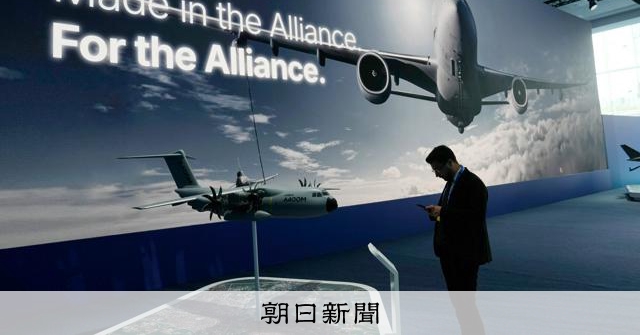
The North Atlantic Treaty Organization (NATO) summit has commenced, marked by significant pressure from U.S. President Donald Trump regarding defense spending. President Trump has been vocal in urging European allies to increase their contributions to collective defense. In response to these demands, European nations are reportedly showing a willingness to meet these calls for higher defense budgets. The summit is expected to address various security challenges and the future direction of the alliance. Discussions are likely to focus on burden-sharing, with the United States pushing for a more equitable distribution of defense costs among member states. The European response indicates a potential shift in commitment towards strengthening NATO's capabilities. This development comes at a critical juncture for the alliance, as it navigates a complex geopolitical landscape. The outcomes of the summit will be closely watched for their implications on transatlantic security and NATO's operational readiness.
The NATO summit highlights the ongoing tension between the United States' demand for increased defense expenditure from its allies and the willingness of European nations to meet these financial obligations. This dynamic reflects a broader reevaluation of burden-sharing within the alliance, driven by evolving geopolitical threats and differing national priorities. The U.S. administration's approach emphasizes a transactional view of security partnerships, seeking greater financial commitment as a measure of alliance solidarity. European responses, while indicating a willingness to increase spending, also suggest a strategic imperative to bolster their own defense capabilities in light of a perceived shift in U.S. commitment. This situation presents a systemic challenge for NATO, requiring a delicate balance between alliance cohesion and the national security interests of its member states, particularly as the global security environment becomes increasingly complex and uncertain over the next decade.
AI-generated to prompt reflection — not editorial opinion, not advice, not a statement of fact. How this works.