NATO Summit: Trump Criticizes Spain, Reiterates Greenland Interest
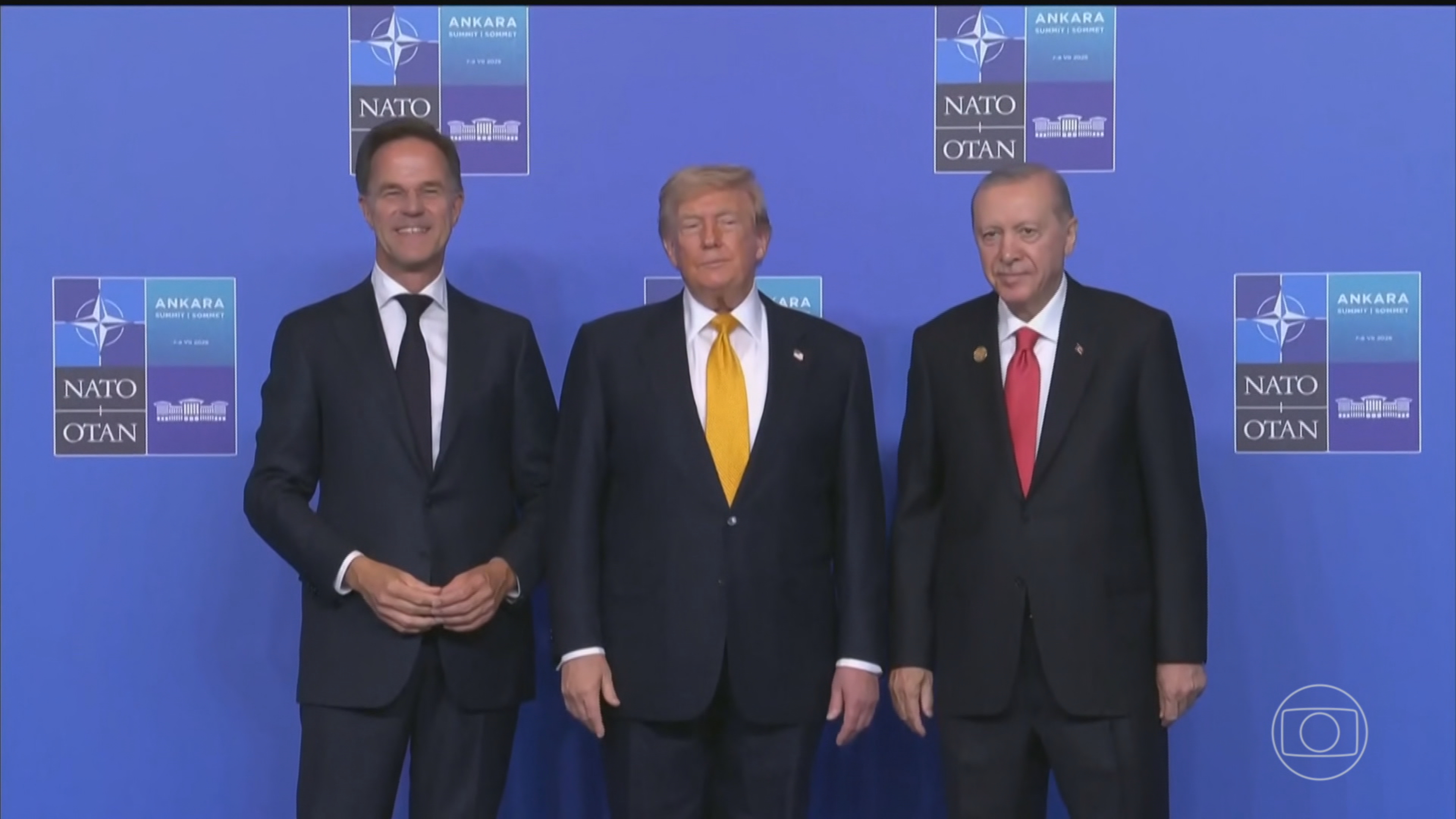
At the NATO Summit in Turkey, European allies attempted to project unity despite tensions with U.S. President Donald Trump. U.S. Secretary of State Mark Rutte defended American actions, stating they were necessary in response to Iran's ceasefire violations, a sentiment echoed by French President Emmanuel Macron, who emphasized the need for calm negotiations. President Trump reignited controversy by again proposing the U.S. acquisition of Greenland and expressed dissatisfaction with European defense spending, specifically criticizing Spain for not meeting his demand of 5% of GDP for defense expenditures. He also announced a suspension of trade relations with Spain, though Spanish Prime Minister Pedro Sanchez downplayed the exchange as cordial. Trump also met with Ukrainian President Volodymyr Zelensky, characterizing recent Ukrainian attacks on Russian targets as an escalation that could pave the way for negotiations. Zelensky humorously responded to Trump's question about meeting Vladimir Putin, citing drone activity as a danger. Trump pledged to grant Ukraine a license to produce Patriot defense missiles. Despite Trump's contentious remarks, European leaders focused on reinforcing the image of alliance cohesion, with Rutte announcing a €27 billion investment in military infrastructure and British Prime Minister Keir Starmer asserting NATO's strengthened position. Italian Prime Minister Giorgia Meloni, previously criticized by Trump, affirmed her commitment to dialogue with Washington. The alliance is now navigating not only geopolitical challenges but also the unpredictable stances of the U.S. President, with members prioritizing unity over direct confrontation due to the greater risk of alienating the United States amidst ongoing conflicts. On his return flight, Trump indicated some progress in discussions with Spain, describing the country as having become more agreeable and 'very generous.'
The NATO summit highlights the inherent tension between alliance solidarity and the national interests articulated by a dominant member's leadership. President Trump's public criticisms and unconventional proposals, such as the acquisition of Greenland, challenge established diplomatic norms and collective security frameworks. While European leaders publicly emphasize unity and increased defense investment, the underlying dynamic reflects a strategic imperative to maintain the U.S. security umbrella, even amidst disagreements. This situation underscores the evolving nature of global alliances in an era of shifting geopolitical priorities and the increasing influence of individual leadership styles on multilateral institutions. The long-term implications involve potential strains on alliance cohesion and the strategic recalibration of defense commitments by member states, particularly in light of evolving technological landscapes and potential future geopolitical realignments.
AI-generated to prompt reflection — not editorial opinion, not advice, not a statement of fact. How this works.