Natural History Museums: A Lifeline for Humanity, Says Berlin Museum Director
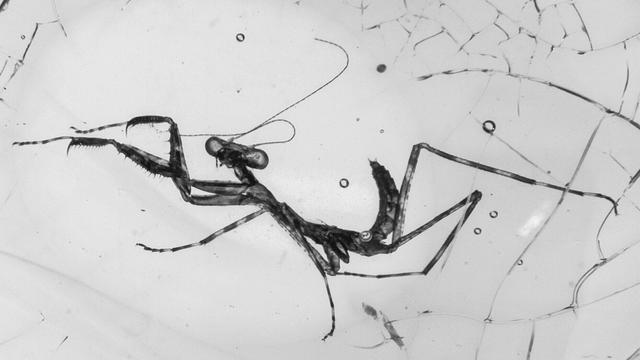
Natural history museums offer more than just preserved animal specimens; they provide crucial knowledge for human survival, according to Johannes Vogel, the director of the Museum für Naturkunde in Berlin. Vogel, who has ambitious plans for his institution, emphasizes the vital role these museums play in understanding and safeguarding our planet. He believes that the scientific data and collections housed within these museums are indispensable for addressing contemporary challenges. The museum's director highlights that the insights gained from studying biodiversity and natural processes are essential for developing sustainable practices and mitigating environmental crises. Vogel's vision for the Museum für Naturkunde likely involves expanding research capabilities and public engagement to underscore this life-saving potential. The institution aims to be a hub for scientific discovery and a crucial resource for policymakers and the public alike.
Natural history museums serve as critical repositories of biodiversity data, offering long-term perspectives essential for understanding ecological dynamics and human impact. Their collections are invaluable for scientific research, providing baseline information against which environmental changes can be measured. In an era increasingly defined by climate change and biodiversity loss, these institutions are positioned to contribute significantly to developing evidence-based solutions. Their role extends beyond preservation to active knowledge generation, informing policy and public awareness. The challenge lies in securing adequate funding and adapting to new digital and research methodologies to maximize their potential as vital resources for future sustainability.
AI-generated to prompt reflection — not editorial opinion, not advice, not a statement of fact. How this works.
