Naukas Bilbao 2026 to Explore Scientific Beginnings with New Format
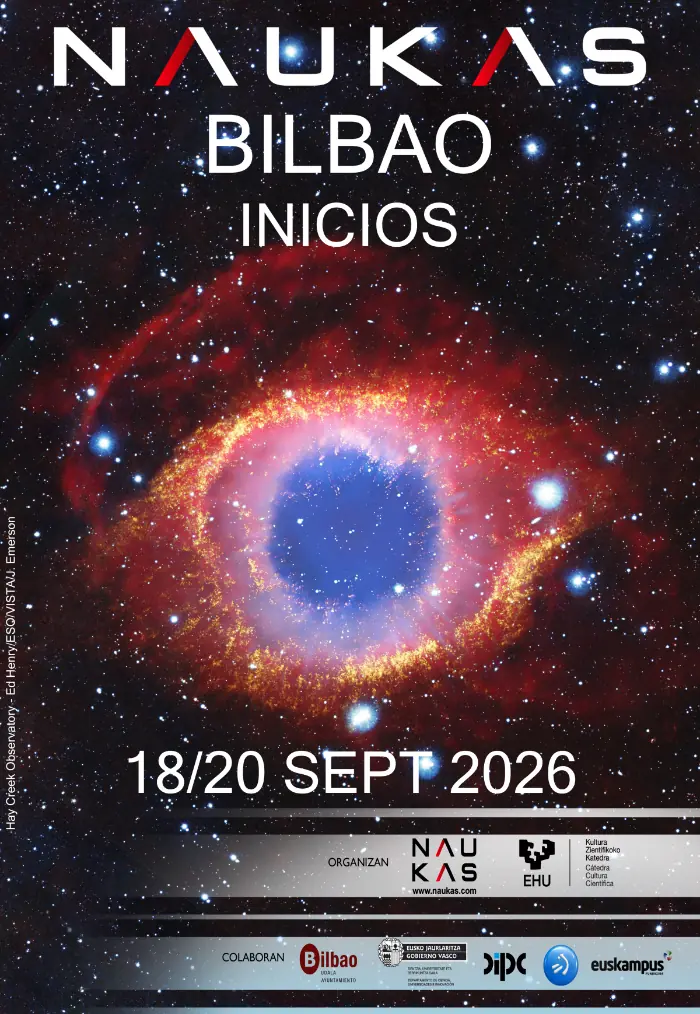
Naukas Bilbao, a science popularization event, has announced its dates and program for 2026, scheduled from September 18th to 20th. This year's iteration will feature a revised format and approach. The event begins on Friday, September 18th, with Naukas Gazte, a session tailored for educational institutions. This segment will include fifteen-minute talks aimed at a young audience, though it remains open to the general public. Saturday, September 19th, is dedicated to Naukas Bilbao 2026 Inicios (Beginnings). A significant change for this edition is that instead of speakers choosing their topics, the organization will now select a central theme and invite speakers to address it. For 2026, the chosen theme is "the most important beginnings in science." The event concludes on Sunday, September 20th, with Naukas Kids, the traditional day focused on younger children. Throughout these changes, the venue remains the Euskalduna Palace, and admission is free of charge.
Naukas Bilbao's strategic shift in 2026 to a curated theme, "the most important beginnings in science," rather than allowing speaker-chosen topics, suggests a move towards greater thematic coherence and potentially a more targeted educational impact. This organizational control over content can enhance the event's narrative flow and ensure alignment with broader scientific communication goals. However, it also introduces a potential trade-off: a reduction in the serendipity of diverse, independently chosen subjects that might appeal to a wider, less predictable audience. The inclusion of dedicated sessions for educational institutions (Naukas Gazte) and children (Naukas Kids), alongside the main thematic day, indicates a commitment to multi-generational engagement. Maintaining free admission at the Euskalduna Palace signals an ongoing effort to maximize accessibility, potentially balancing the costs of curated programming against broader reach and community building.
AI-generated to prompt reflection — not editorial opinion, not advice, not a statement of fact. How this works.