Navigating Financial Scandals: Trust in an Era of Betrayal
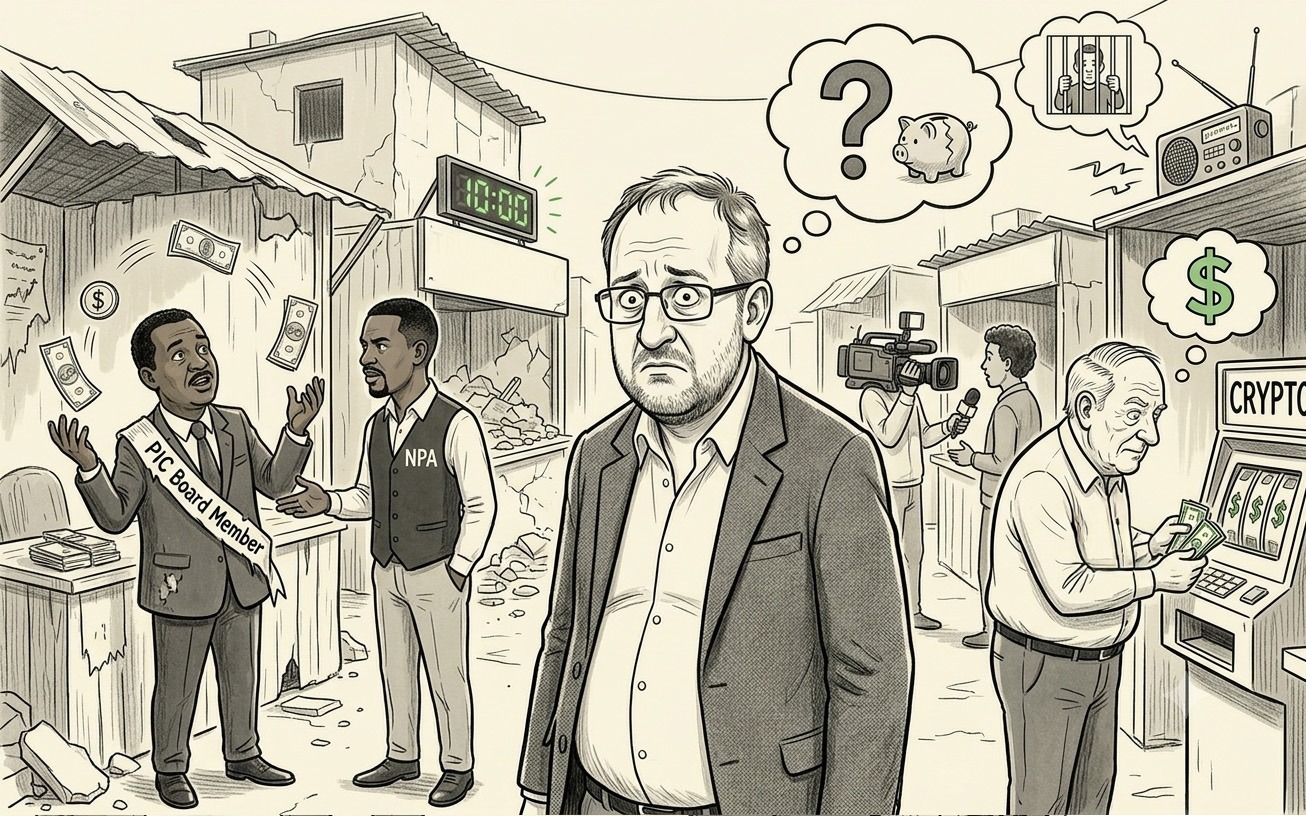
As financial scandals continue to emerge, a critical question arises regarding who individuals can trust with their financial futures. This concern is amplified by a perceived increase in betrayal and political manipulation within the financial landscape. The unfolding scandals highlight a growing unease about the integrity of institutions and individuals responsible for managing financial assets. Investors and the public are increasingly questioning the ethical standards and accountability mechanisms in place. The situation calls for a re-evaluation of trust in financial systems and a demand for greater transparency and robust oversight. The pervasive sense of betrayal suggests a systemic issue that needs addressing to restore confidence.
The increasing frequency of financial scandals prompts a critical examination of trust mechanisms within economic systems. This situation underscores the tension between the pursuit of profit and ethical conduct, often exacerbated by complex regulatory environments and incentives that may encourage risk-taking or opacity. As technology advances, the potential for both sophisticated fraud and enhanced transparency grows, creating a dynamic where traditional trust models are challenged. Future financial systems will likely require more robust, verifiable accountability frameworks and potentially decentralized governance structures to mitigate the risks of widespread betrayal and manipulation, ensuring greater resilience and public confidence.
AI-generated to prompt reflection — not editorial opinion, not advice, not a statement of fact. How this works.