Navigating School Adaptation: A Gradual Process for Children and Parents
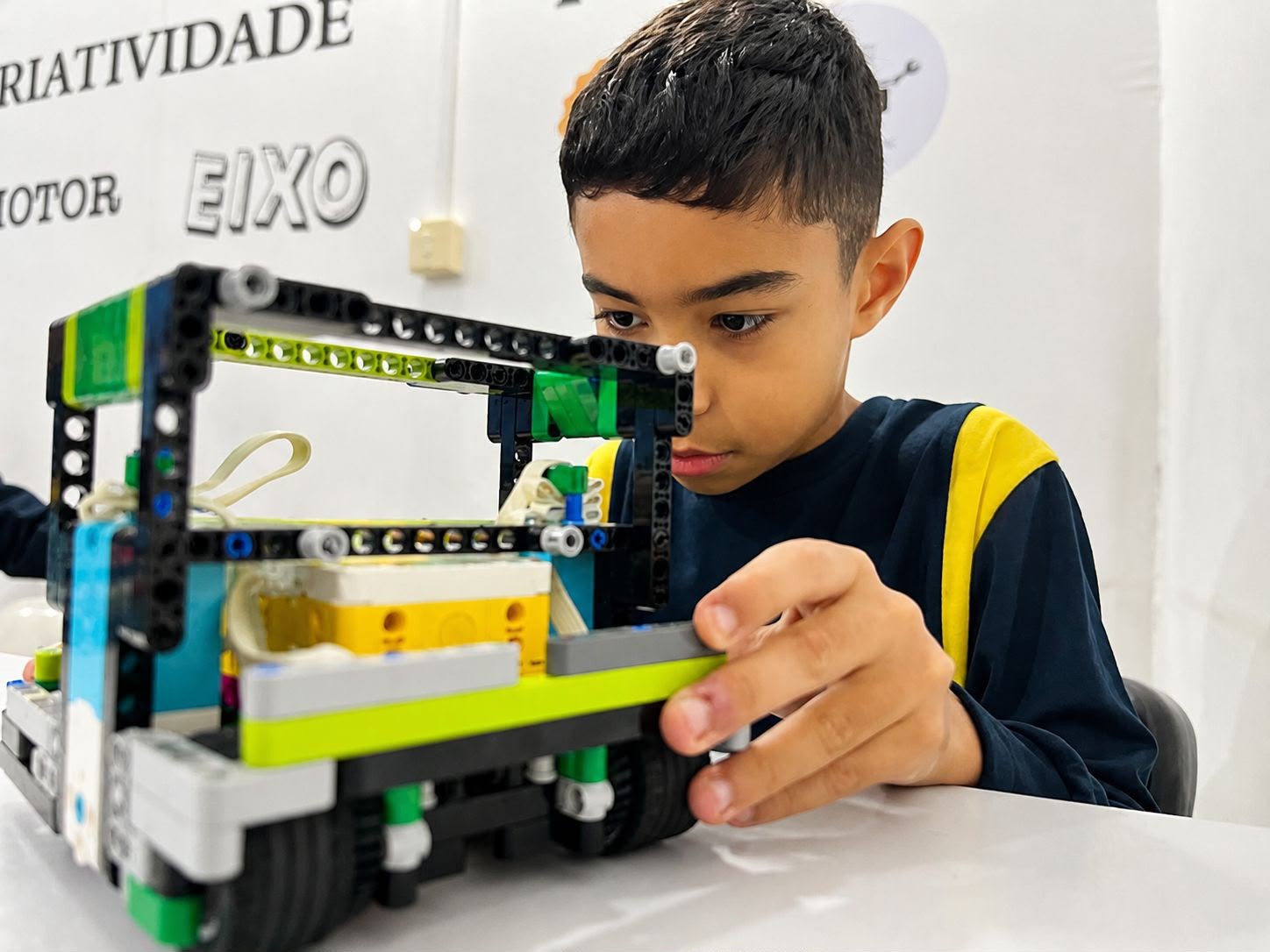
The initial transition to school is a complex process for both children and parents, marked by a mix of excitement, anticipation, pride, and often anxiety. Families frequently worry about their child crying, experiencing separation anxiety, or how long the adaptation will take. Educators emphasize that school adaptation is not a single-day event but a gradual journey of building trust, security, and connections. Children encounter new adults, peers, environments, and routines, requiring a sense of welcome and confidence in their caregivers. Crying during the initial separation is a normal reaction for some children, while others may show insecurity later or adapt quickly. The key is observing the child's response to the supportive environment and their gradual integration into the new routine, rather than focusing solely on the duration of crying. Each child's adaptation is unique, with some exploring confidently from the start and others needing more time to feel secure. Escola EMAK stresses respecting individual rhythms and uses attentive observation by its pedagogical team to understand and support each child's emotional needs, aiming to make school a place of belonging. Building these bonds involves daily interactions, play, consistent routines, and supportive adults who listen and respect childhood. Simple actions like being greeted by a teacher, recognizing school spaces, and participating in early activities help familiarize the child with the environment. Parental adaptation is also crucial, as adult anxiety can mirror a child's. Open communication between families and the school is vital for a smoother experience, allowing for shared insights and understanding of challenges. Parents can help by discussing school positively, trusting educators, maintaining separation agreements, and avoiding excessive displays of insecurity, while also encouraging their child to express feelings. School adaptation is not always linear; a child's behavior can change over time. The duration varies based on age, prior experiences, individual traits, and bond formation, making comparisons unhelpful. The focus should be on observing progress, trust development, and maintaining dialogue, viewing adaptation as the foundation for autonomy, self-esteem, learning, and a positive school experience.
The article frames school adaptation as a natural, albeit challenging, developmental process for young children and their families. It emphasizes a supportive, individualized approach from educational institutions, highlighting the importance of building trust and secure attachments. From a systems perspective, this approach acknowledges the emotional labor involved for both children and parents during significant life transitions. The analysis suggests that educational policies and practices that prioritize gradual integration, consistent communication, and emotional validation can mitigate potential stress and foster positive long-term outcomes. Future considerations might include leveraging technology to enhance communication and provide personalized support resources for families navigating these critical early years, ensuring that institutional structures are designed to accommodate the diverse needs and paces of child development in an increasingly complex world.
AI-generated to prompt reflection — not editorial opinion, not advice, not a statement of fact. How this works.