Navy Investigates Santarém School Boat Sinking; Irregular Passengers Suspected
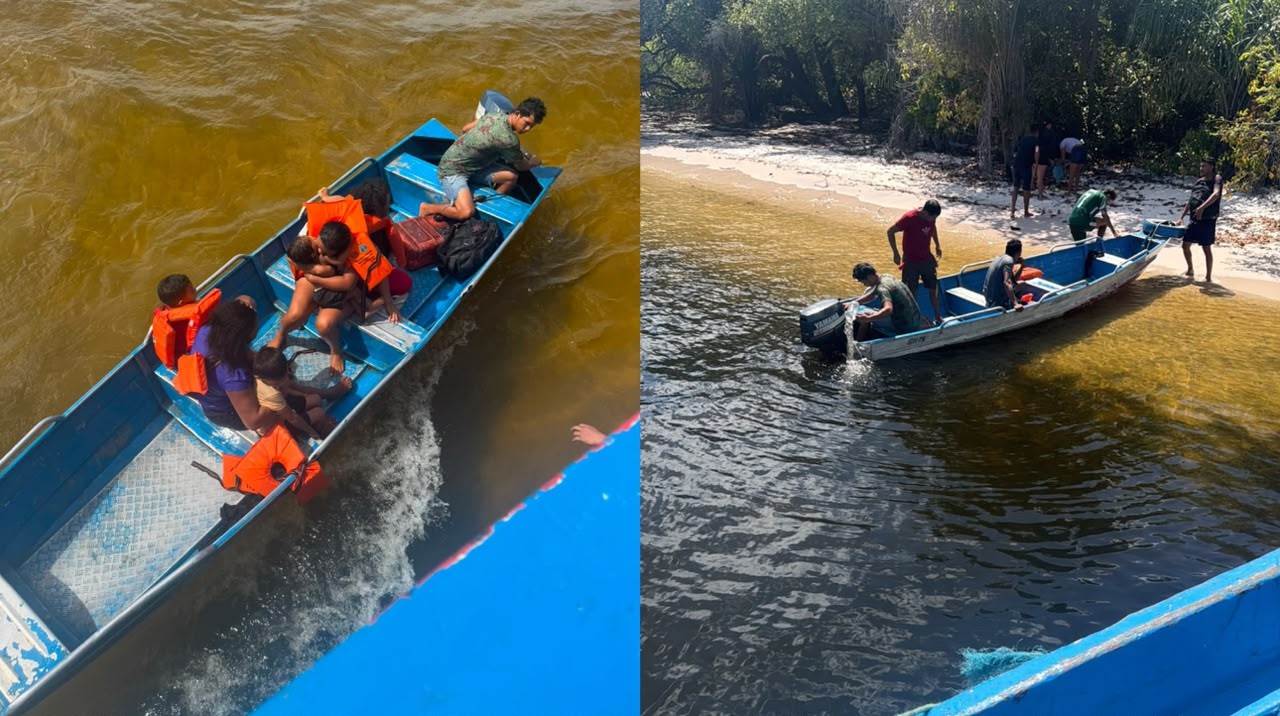
The Brazilian Navy has launched an investigation into the sinking of a school boat belonging to the Municipal Secretariat of Education (Semed) in Santarém, Pará. The incident occurred on Wednesday, May 22nd, on the Arapiuns River near the Ponta Grande community, as the vessel, named "Caminhos da Escola," was returning from the Mentae community to Santarém. Fortunately, there were no reported injuries, disappearances, or water pollution. The boat was reportedly carrying maintenance staff returning from school services when local residents, including children, boarded as unauthorized passengers, a practice that contradicts the "Caminho da Escola" program's regulations. Santarém's City Hall has also initiated an administrative procedure to investigate the conduct of the public servants involved in allowing these irregular passengers. The Municipal Secretary of Education, Nilton Araújo, confirmed that no students were being transported for school activities due to the ongoing vacation period. He emphasized that transporting unauthorized individuals on official vessels is strictly prohibited and that administrative measures will be taken against the involved servers. A passing boat rescued all 13 individuals on board, including three children and a pregnant woman, who were wearing life vests and awaiting rescue in the water.
The sinking of the Semed lancha highlights systemic vulnerabilities in the management and oversight of public transportation assets, particularly in remote areas. While the immediate cause may be attributed to irregular passenger boarding, the incident prompts a broader examination of accountability frameworks for public servants and the protocols governing the use of official vehicles. The investigation by the Navy and the city hall's administrative procedure are crucial steps in determining liability and preventing future occurrences. Future considerations should include robust training for personnel on proper vessel operation and passenger manifest procedures, alongside technological solutions for real-time monitoring of official asset usage. The reliance on informal passenger arrangements, even during off-peak periods, points to potential gaps in community transportation infrastructure or communication regarding official policies.
AI-generated to prompt reflection — not editorial opinion, not advice, not a statement of fact. How this works.