Navy Official's Defense Claims "Voluntary Acts" in Caupolicán Fair Tragedy
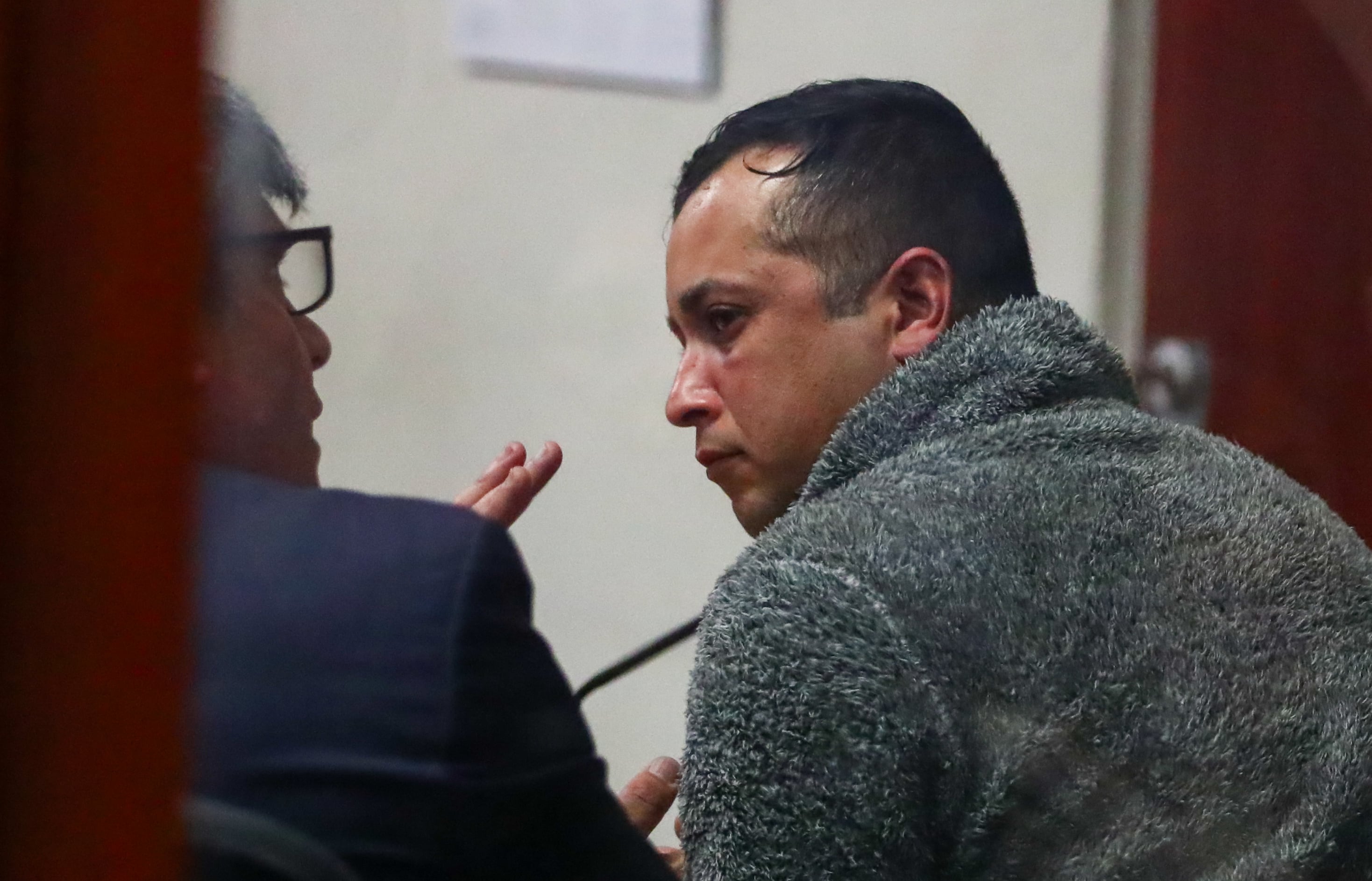
The defense lawyer for a Chilean Navy official involved in a tragedy at the Caupolicán fair has stated that individuals should be judged for their voluntary actions. Gonzalo Yuseff, the attorney representing the accused official, emphasized this point, suggesting a focus on intentionality in legal proceedings. The statement comes in the wake of an incident that has drawn significant public attention and legal scrutiny. The defense aims to frame the legal responsibility around the concept of voluntary acts. This legal strategy implies a distinction between actions taken intentionally and those that may be accidental or involuntary. The specific details of the tragedy at the Caupolicán fair have not been elaborated upon in this statement, but the defense's focus is clearly on the defendant's state of mind and intent. The lawyer's remarks highlight a key legal principle often debated in courtrooms: the role of volition in determining culpability. The defense will likely argue that the official's actions, whatever they may have been, were a result of conscious choice. This approach seeks to mitigate the severity of the charges by focusing on the voluntary nature of the alleged misconduct.
The defense's assertion that individuals must be judged by their "voluntary acts" highlights a fundamental legal principle concerning intent and culpability. This framing seeks to shift focus towards the defendant's conscious decision-making process, potentially distinguishing between deliberate actions and unintended consequences. In the context of a public tragedy, such a legal strategy aims to navigate the complexities of accountability by emphasizing mens rea (guilty mind). The effectiveness of this defense will depend on the specific evidence presented and the court's interpretation of "voluntary acts" in relation to the incident's circumstances. This approach prompts consideration of how legal systems balance objective outcomes with subjective intent, especially when public safety is compromised.
AI-generated to prompt reflection — not editorial opinion, not advice, not a statement of fact. How this works.